
Fasting is one of the most meaningful acts of worship in Islam. Every year, during the blessed month of Ramadan, Muslims around the world fast from dawn until sunset, staying away from food, drink and other things that break the fast. But fasting is about much more than experiencing hunger or thirst. It is an opportunity to strengthen faith, practise patience and develop self-discipline.
As one of the Five Pillars of Islam, fasting (Sawm) holds a special place in a Muslim's life. It teaches believers to become more mindful of Allah, appreciate His blessings and bring positive changes to their daily habits.
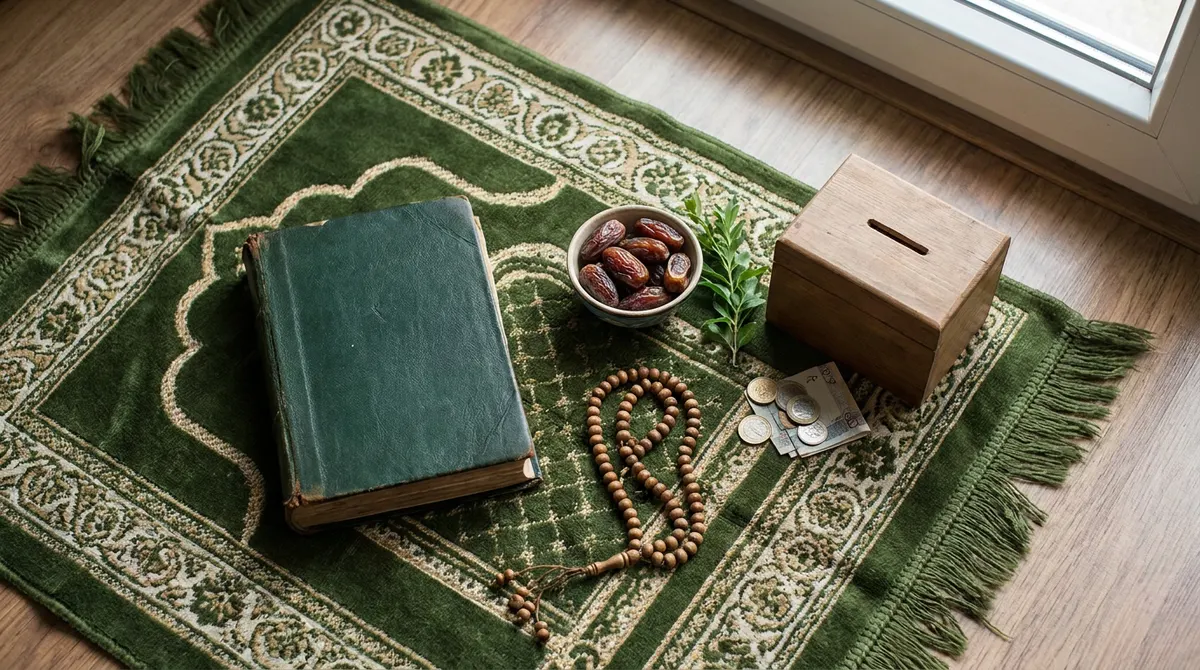
The Purpose of Fasting in Islam
Allah has prescribed fasting for Muslims to help them develop Taqwa, which means being conscious of Allah and striving to live according to His guidance.
The Quran reminds believers of this purpose:
“O you who believe, fasting is prescribed for you, as it was prescribed for those before you, so that you may become mindful of Allah.”
Surah Al-Baqarah 2:183
This verse highlights that the purpose of fasting goes beyond avoiding food and drink. It encourages Muslims to become more aware of their actions, intentions and relationship with Allah.
1\. Strengthening Faith and Connection with Allah
Fasting gives Muslims an opportunity to focus more on their relationship with Allah. During Ramadan, believers increase their prayers, recite the Quran, make dua and engage in Dhikr.
By setting aside time for worship and reflection, Muslims can strengthen their faith and become more mindful of Allah throughout their daily lives.
Fasting also reminds believers that worship is not limited to specific acts or moments. It is reflected in their intentions, choices and behaviour every day.
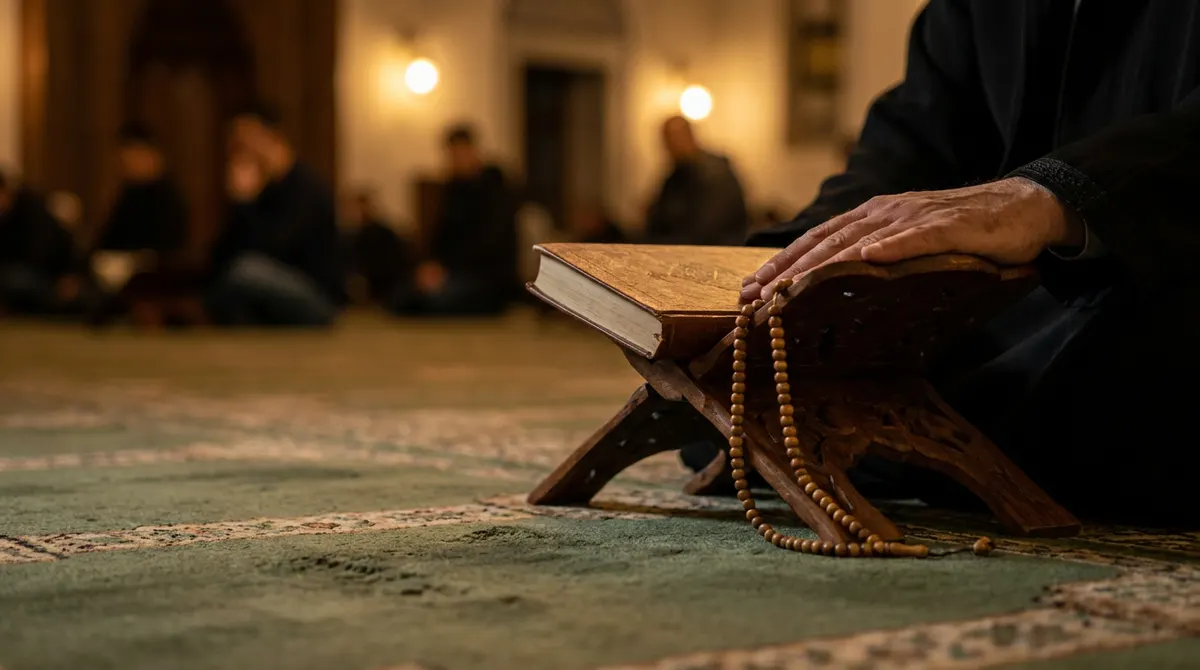
2\. Learning Patience in Everyday Life
Patience is one of the most important lessons of fasting. Going without food and drink for hours requires control, especially when a person feels tired, hungry or thirsty.
But patience during fasting is not limited to physical discomfort. Muslims are also encouraged to control their anger, avoid arguments, speak kindly and stay away from harmful behaviour.
The Prophet Muhammad ﷺ taught that if someone is fasting, they should avoid bad speech and arguments. This reminds us that a fast should influence not only what we consume but also how we treat others.

3\. Developing Self-Discipline and Control
Fasting teaches Muslims to manage their desires and make thoughtful choices. A person who fasts learns to wait, control impulses and avoid things that may otherwise seem difficult to resist.
These lessons can extend beyond Ramadan. Whether it is managing time, controlling anger, avoiding harmful habits or making better decisions, the self-discipline developed through fasting can have a positive effect on everyday life.
It reminds us that we do not have to act on every desire and that personal growth often begins with self-control.
4\. Becoming More Grateful for Allah's Blessings
During fasting, Muslims experience hunger and thirst, which can help them appreciate the everyday blessings they may sometimes take for granted.
A glass of water, a simple meal and the comfort of eating with family become reminders of Allah's generosity.
Fasting can also increase compassion for people who experience hunger and hardship regularly. It encourages Muslims to help those in need through charity, kindness and generosity.
5\. Improving Character and Behaviour
A meaningful fast should encourage positive changes in a person's character. Ramadan is a time to become more careful with words, treat others with respect, forgive mistakes and avoid gossip, dishonesty and unnecessary arguments.
Fasting reminds Muslims that good character is an important part of faith. Staying away from food and drink while continuing to hurt others through words or actions goes against the deeper lessons of this act of worship.
The goal is to develop habits that continue even after Ramadan ends.
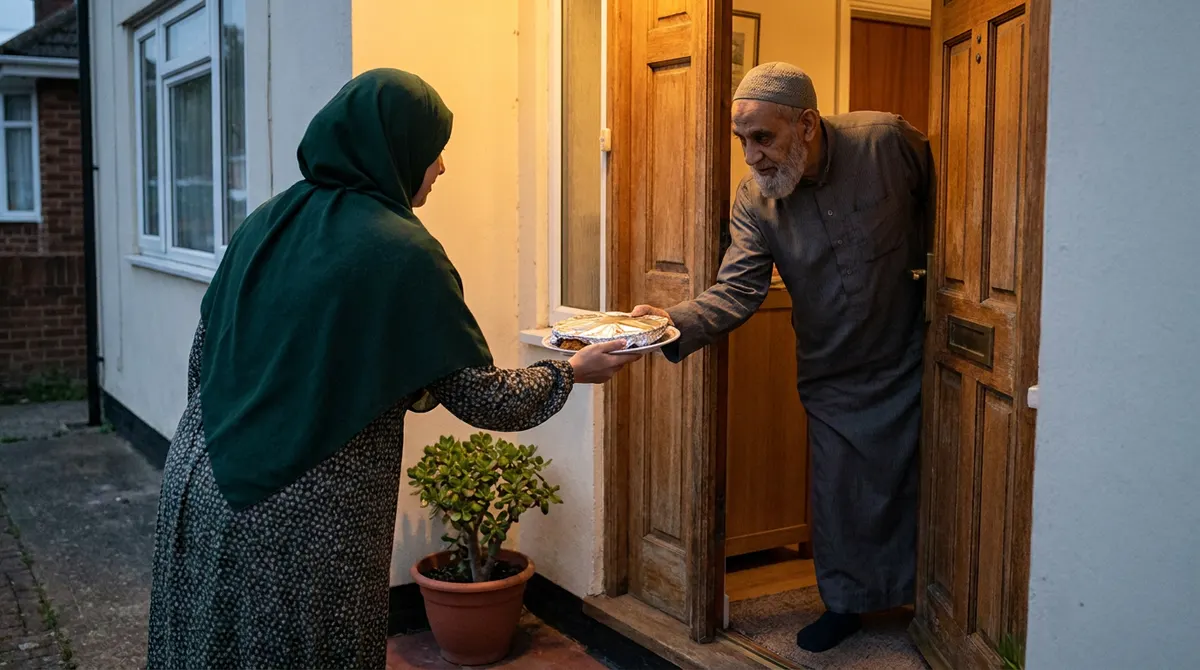
6\. The Special Reward of Fasting
Fasting holds a unique place in Islam because it is an act of worship performed sincerely for Allah. It is not always visible to other people, making the intention behind it especially important.
In a Hadith Qudsi, Allah says that fasting is for Him and that He Himself will reward it. This highlights the special value of fasting and the importance of sincerity in worship.
Muslims are encouraged to approach fasting with faith, patience and the hope of receiving Allah's forgiveness and reward.
7\. Fasting Brings the Muslim Community Together
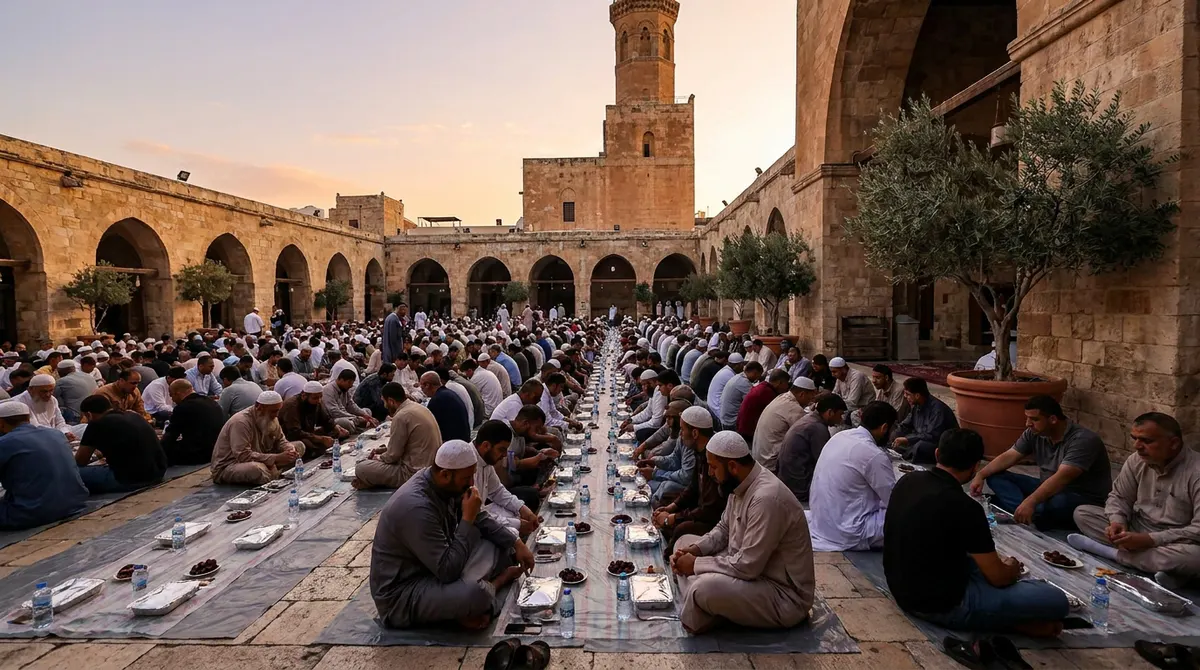
Ramadan creates a special sense of unity among Muslims around the world. Regardless of their background, language or location, Muslims share the experience of fasting, praying and breaking their fast at sunset.
Families gather for Suhoor and Iftar, mosques welcome worshippers for congregational prayers, and communities come together to support those in need.
This shared experience strengthens relationships and reminds Muslims of the importance of kindness, generosity and caring for one another.
8\. Fasting Beyond the Month of Ramadan
Although Ramadan is the obligatory month of fasting for eligible Muslims, voluntary fasting is also encouraged in Islam.
Muslims may observe voluntary fasts on certain days throughout the year, such as Mondays and Thursdays, and the six days of Shawwal after Ramadan.
These additional acts of worship provide opportunities to continue practising self-discipline and strengthen one's connection with Allah beyond the blessed month.
Making the Most of Ramadan
Ramadan offers Muslims a valuable opportunity to improve their worship and daily routines. Some simple ways to make the most of this blessed month include:
- Offer Salah regularly: Make time for the five daily prayers and try to improve the quality of your worship.
- Read the Quran: Set aside time each day to recite and reflect on its teachings.
- Make Dua: Ask Allah for forgiveness, guidance and blessings.
- Practise Dhikr: Remember Allah throughout the day through simple acts of remembrance.
- Give to others: Support people in need through Sadaqah and other acts of kindness.
- Improve your character: Be patient, speak kindly and avoid actions that can harm others.
Small, consistent efforts can help make Ramadan more meaningful and create habits that last throughout the year.
Carrying the Lessons of Fasting Beyond Ramadan
Fasting is not simply an annual practice. Its lessons can guide Muslims throughout their lives. The patience developed during long fasting hours, the self-control practised throughout the day and the gratitude felt at Iftar can all become part of everyday behaviour.
Ramadan gives believers a chance to pause, reflect and work towards becoming better Muslims. Its true impact can be seen in the positive changes that remain after the month has passed.
Ultimately, fasting is a journey of faith, patience and self-discipline. It teaches us to be more mindful of Allah, more thoughtful in our actions and more grateful for the blessings we have. By carrying these lessons beyond Ramadan, Muslims can make fasting a source of lasting spiritual growth.