
Every year, millions of Muslims from across the world travel to Makkah to fulfil one of the greatest acts of worship in Islam: Hajj. It is a journey that brings together people of different nationalities, cultures, and backgrounds, united by their love for Allah and their desire to seek His forgiveness.
For Muslims, Hajj is much more than a pilgrimage. It is an opportunity to strengthen their faith, reflect on their lives, practise patience, and renew their commitment to Islam. From standing together on the plains of Arafat to gathering around the Holy Kaaba, every aspect of Hajj carries a deep spiritual meaning.
As the fifth pillar of Islam, Hajj holds a special place in the lives of Muslims. It represents submission to Allah, sacrifice, humility, and the unity of the Muslim Ummah.
But what makes Hajj so significant? What lessons does it teach, and why is it considered one of the most rewarding acts of worship?
Let's explore the importance, history, virtues, and spiritual significance of Hajj in Islam.
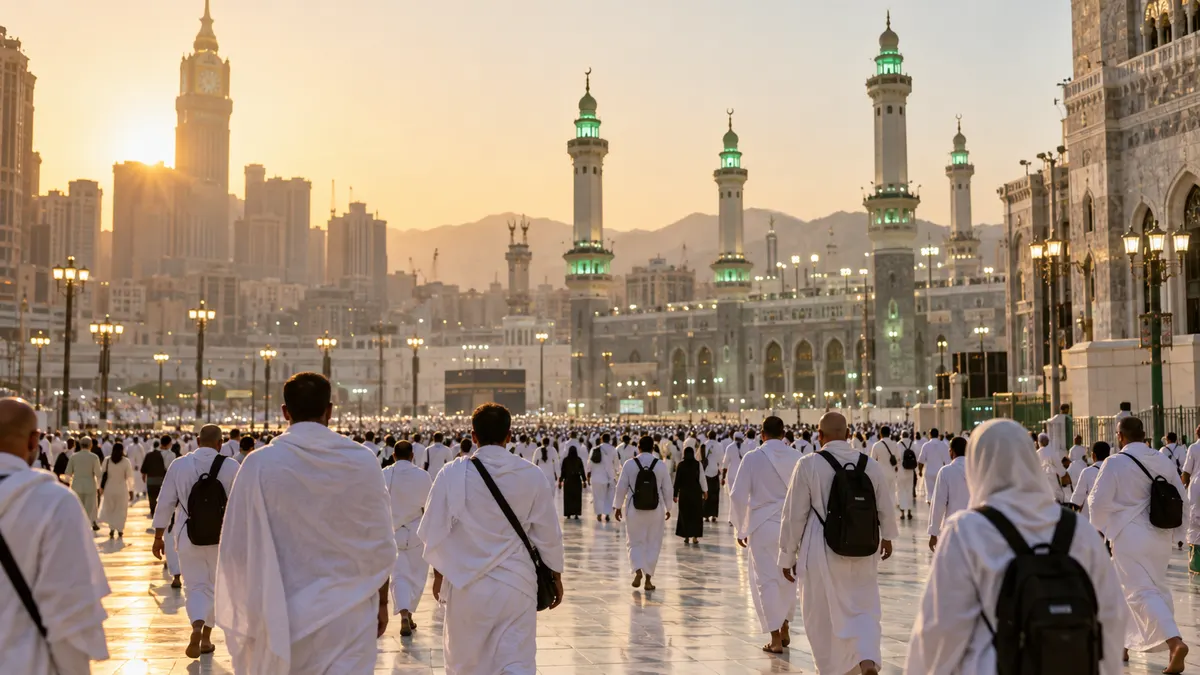
What Is Hajj and Why Is It Important in Islam?
Hajj is the annual Islamic pilgrimage to Makkah, Saudi Arabia. It is the fifth pillar of Islam and an obligation for every Muslim who is physically and financially capable of undertaking the journey.
Unlike voluntary acts of worship, Hajj is a religious obligation that must be fulfilled once in a lifetime by Muslims who meet its conditions.
Allah says in the Quran:
"And [due] to Allah from the people is a pilgrimage to the House – for whoever is able to find thereto a way."
Surah Aal-e-Imran, 3:97
This verse establishes the importance of Hajj and reminds Muslims that the pilgrimage is an act of obedience to Allah.
Hajj takes place during specific days of Dhul-Hijjah, the final month of the Islamic calendar. During this time, pilgrims gather in Makkah and the surrounding sacred locations to perform acts of worship according to the teachings of Prophet Muhammad (PBUH).
The significance of Hajj can be understood through several important aspects:
- Obedience to Allah: Performing Hajj fulfils one of the fundamental obligations of Islam.
- Seeking forgiveness: It provides an opportunity for sincere repentance and spiritual renewal.
- Strengthening faith: The pilgrimage encourages Muslims to increase their devotion and reliance on Allah.
- Practising humility: Pilgrims leave behind worldly distinctions and stand together in simple clothing.
- Unity of the Ummah: Muslims from different parts of the world gather with one purpose: worshipping Allah.
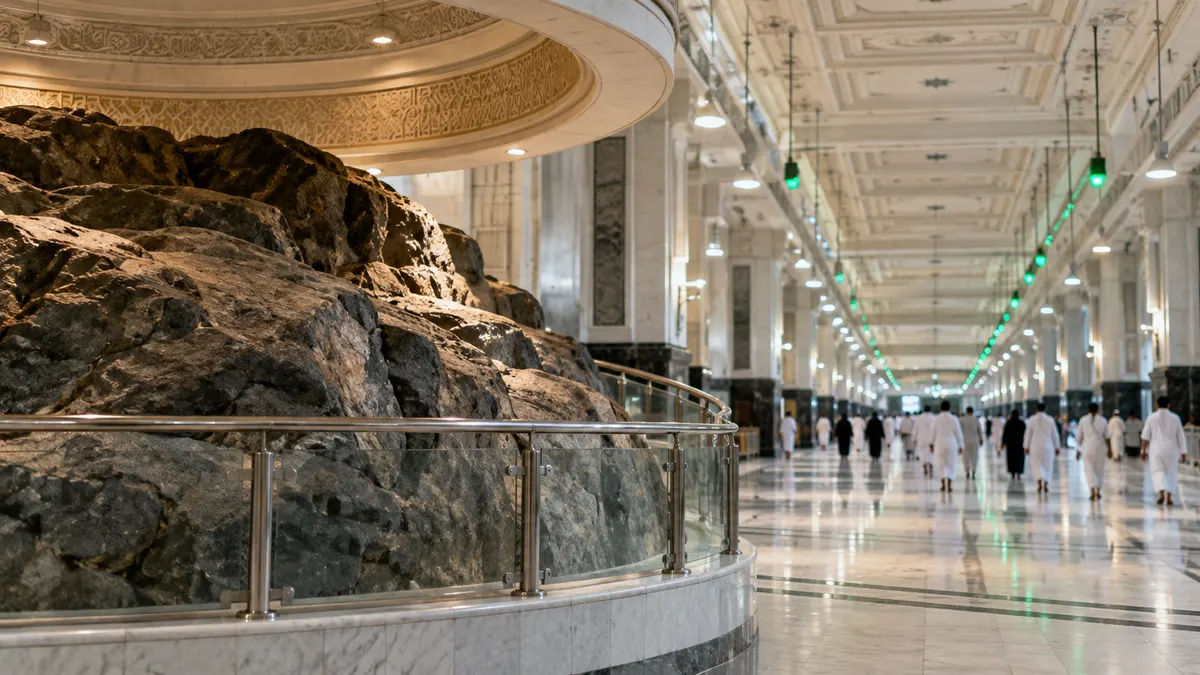
The History of Hajj: The Legacy of Prophet Ibrahim (AS)
The history of Hajj is closely connected to Prophet Ibrahim (AS), his wife Hajar (AS), and their son Prophet Ismail (AS).
By the command of Allah, Prophet Ibrahim (AS) left Hajar (AS) and their infant son Ismail (AS) in the barren valley of Makkah. With limited supplies and no visible source of water, Hajar (AS) placed her trust in Allah.
When their water ran out, she searched desperately for help, moving between the hills of Safa and Marwah. During this difficult moment, Allah provided water through the miraculous appearance of the well of Zamzam.
This event remains an important part of Islamic history and is remembered through the ritual of Sa'i during Hajj and Umrah.
Later, Prophet Ibrahim (AS) and Prophet Ismail (AS) were commanded by Allah to raise the foundations of the Kaaba.
The Quran describes this event:
"And [mention] when Abraham was raising the foundations of the House and [with him] Ishmael..."
Surah Al-Baqarah, 2:127
The Kaaba became the central place of worship for Muslims, and its significance continues to this day.
The pilgrimage was later restored to its pure monotheistic form through Prophet Muhammad (PBUH), who demonstrated the rites of Hajj and taught Muslims how to perform them.
Today, Hajj continues to preserve the legacy of Prophet Ibrahim (AS), reminding Muslims of the importance of faith, trust in Allah, and complete submission to His commands.
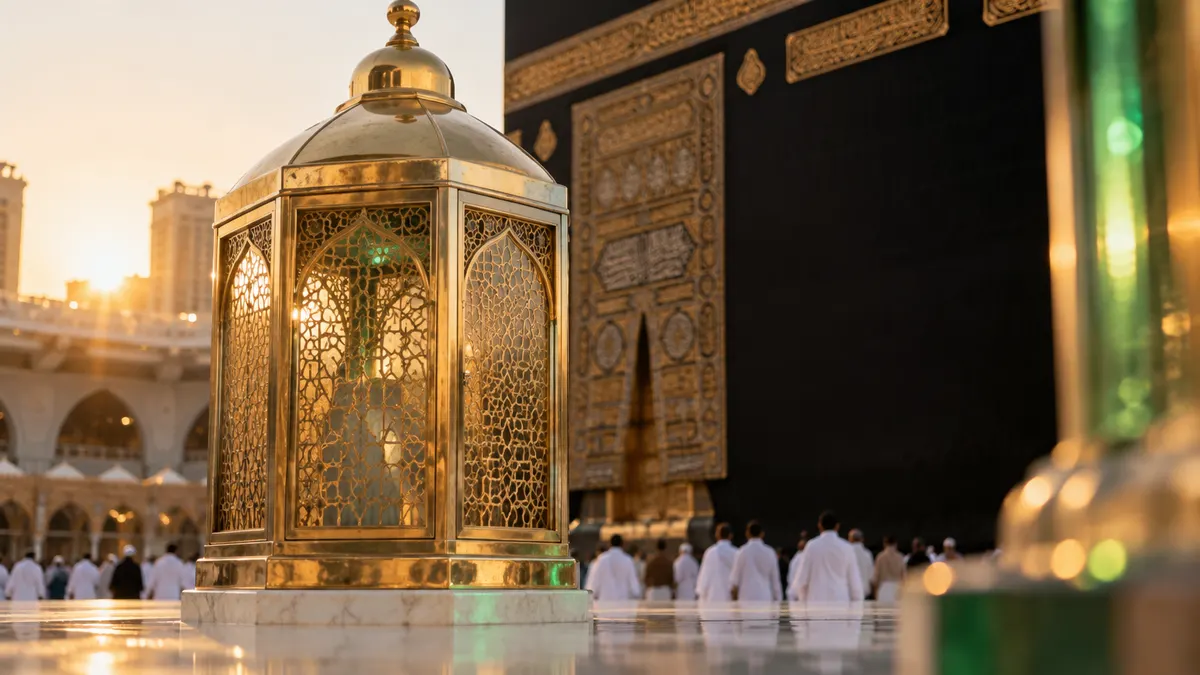
The Spiritual Significance of Hajj
Hajj is a journey that transforms a Muslim's relationship with Allah. Every ritual carries a spiritual message, encouraging believers to reflect on their faith and their responsibilities as Muslims.
1Submission to Allah
Hajj represents complete obedience to Allah. Pilgrims travel thousands of miles, leave their homes, and dedicate their time and resources to fulfilling His command.
2Patience and Sacrifice
The pilgrimage involves physical effort, large gatherings, and challenging conditions. It teaches Muslims to remain patient, control their emotions, and consider the comfort of others.
3Repentance and Forgiveness
Hajj provides an opportunity to turn towards Allah with sincerity, acknowledge past mistakes, and seek His mercy.
4Humility and Equality
The simple clothing worn during Ihram reminds Muslims that wealth, status, nationality, and appearance do not determine a person's worth before Allah.
5Unity Among Muslims
Millions of Muslims gather with the same intention and recite the same words of Talbiyah. This reflects the unity of the Muslim Ummah and the shared foundation of Islamic faith.
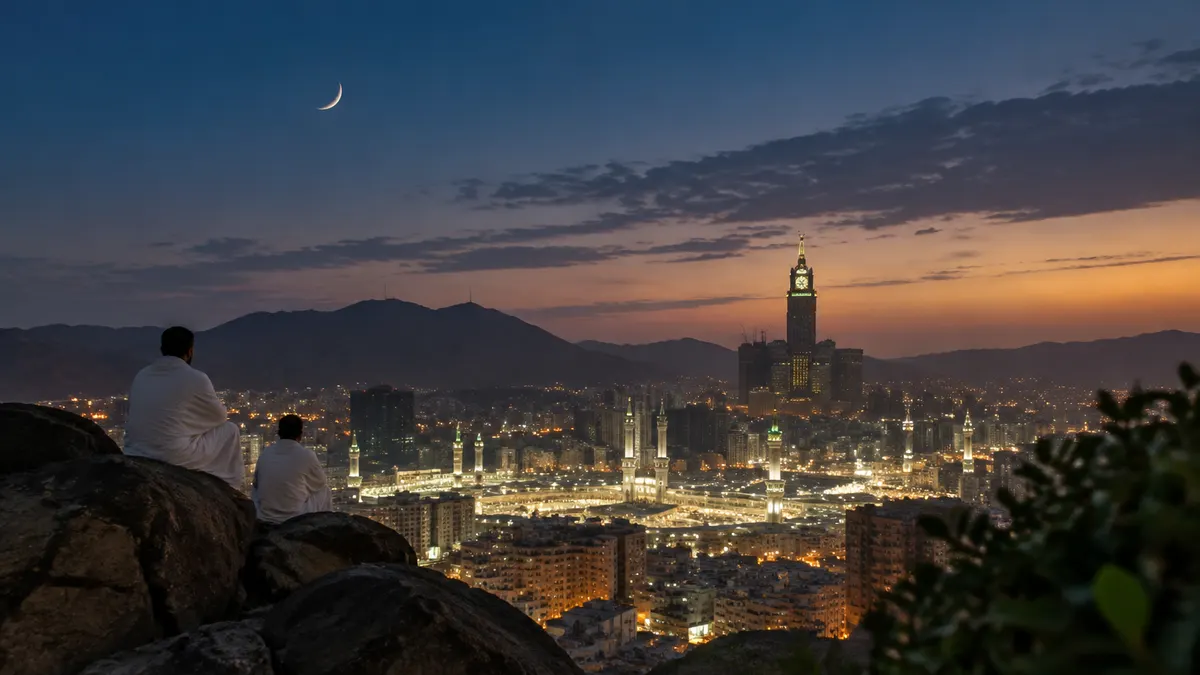
The Sacred Places That Make Hajj So Special
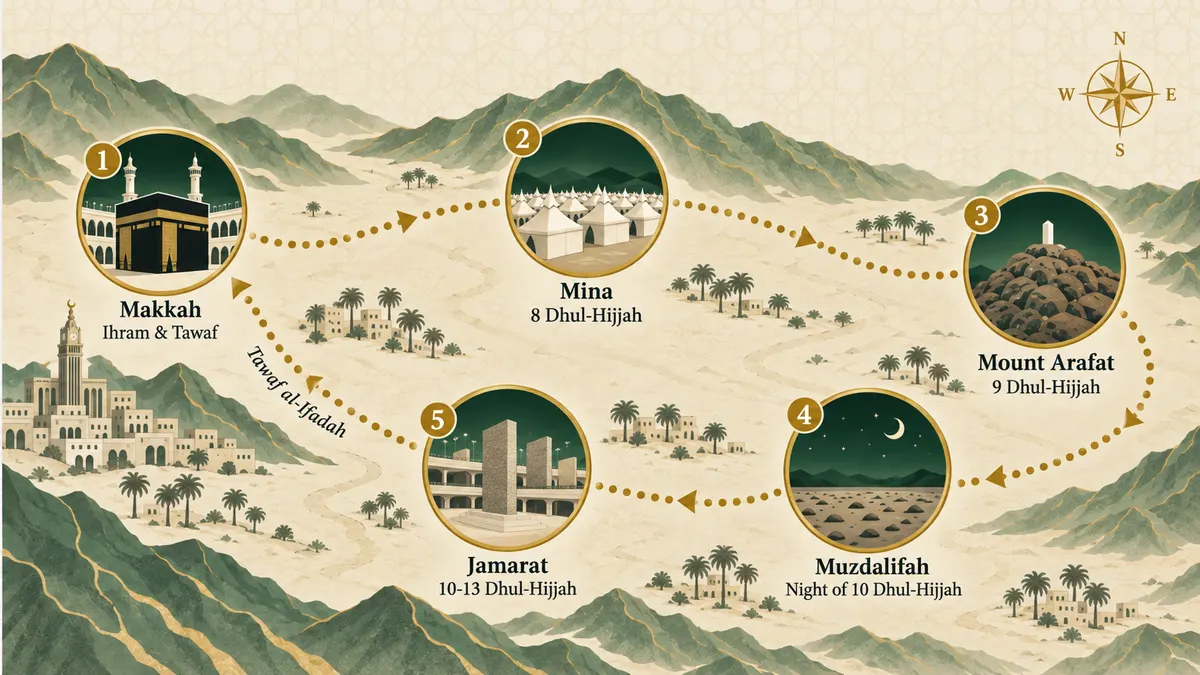
Hajj takes place across several sacred locations in and around Makkah. Each place is associated with important events and acts of worship in Islamic history.
The Kaaba and Masjid al-Haram
The Kaaba is the most sacred structure in Islam and the direction towards which Muslims pray throughout the world. Located inside Masjid al-Haram in Makkah, it is the central destination of Hajj and Umrah.
Muslims perform Tawaf by circumambulating the Kaaba seven times, expressing their devotion and worship of Allah.
Mina
Mina is a valley near Makkah where pilgrims stay during important days of Hajj. It is associated with the rituals of stoning the Jamarat and the sacrifice performed during Eid al-Adha.
Mount Arafat
The plain of Arafat holds a particularly important place in Hajj. On the ninth day of Dhul-Hijjah, pilgrims gather here for Wuquf, an essential pillar of the pilgrimage.
The Day of Arafah is a time for sincere prayers, repentance, and seeking Allah's forgiveness.
Muzdalifah
Muzdalifah is located between Arafat and Mina. Pilgrims travel here after leaving Arafat and spend part of the night in worship and remembrance of Allah.
The Jamarat
The Jamarat are three stone pillars in Mina where pilgrims perform the ritual of Rami by throwing small pebbles. This ritual recalls the rejection of Satan and the importance of remaining steadfast in obedience to Allah.
Five Important Lessons Every Muslim Can Learn from Hajj
Although Hajj is a specific act of worship, its lessons extend far beyond the pilgrimage itself. The experience teaches values that Muslims can carry into their everyday lives.
1Trust in Allah
The story of Hajar (AS) teaches Muslims the importance of trusting Allah, even during the most difficult circumstances. Her determination and faith remain an example for believers.
2Patience in Difficult Situations
The physical demands of Hajj remind pilgrims that patience is an essential part of faith. Whether dealing with crowds, delays, or discomfort, Muslims are encouraged to remain calm and considerate.
3Equality and Brotherhood
Hajj brings together people from different countries and social backgrounds. Everyone gathers to worship the same Creator, reminding Muslims that all people are equal before Allah.
4Gratitude for Allah's Blessings
The pilgrimage encourages reflection on the countless blessings Allah has provided, including health, family, opportunities, and the ability to worship.
5A Fresh Start in Life
Hajj encourages Muslims to leave behind harmful habits, seek forgiveness, and return with a stronger commitment to living according to Islamic teachings.
The Virtues and Rewards of Hajj
Hajj is among the most rewarding acts of worship in Islam. The Quran and authentic Hadith highlight its virtues and encourage Muslims to fulfil this important obligation.
One of the most well-known Hadiths about Hajj is narrated by Abu Hurairah (RA). Prophet Muhammad (PBUH) said:
"Whoever performs Hajj for Allah's sake and does not commit any obscenity or wrongdoing will return (free from sin) as he was on the day his mother gave birth to him."
Sahih al-Bukhari and Sahih Muslim
This Hadith highlights the immense reward of performing Hajj with sincerity and maintaining good conduct throughout the pilgrimage.
Another Hadith highlights the reward of an accepted pilgrimage. Prophet Muhammad (PBUH) said:
"An accepted Hajj brings no reward except Paradise."
Sahih al-Bukhari and Sahih Muslim
An accepted Hajj is known as Hajj Mabroor. It is a pilgrimage performed sincerely for Allah, in accordance with Islamic teachings, and accompanied by righteous conduct.
Some of the important virtues of Hajj include:
- The opportunity to receive Allah's forgiveness.
- A chance to strengthen one's relationship with Allah.
- A great reward for sincere worship.
- An opportunity to demonstrate patience and good character.
- A renewed commitment to faith and righteous living.
How Hajj Can Transform a Muslim's Life
The impact of Hajj should not end when a pilgrim returns home. Its lessons are meant to influence everyday behaviour, relationships, and acts of worship.
A meaningful Hajj can encourage Muslims to become more conscious of their responsibilities towards Allah and other people.
After completing the pilgrimage, Muslims should strive to:
- Maintain regular prayers and other acts of worship.
- Treat family members, neighbours, and others with kindness.
- Avoid dishonesty, arguments, and harmful behaviour.
- Give charity and help those in need.
- Remain patient and grateful during difficult situations.
- Continue seeking knowledge and improving their understanding of Islam.
The true value of this sacred journey is reflected not only in the rituals completed but also in the positive changes a pilgrim makes in their life afterwards.
How to Prepare Spiritually for Hajj
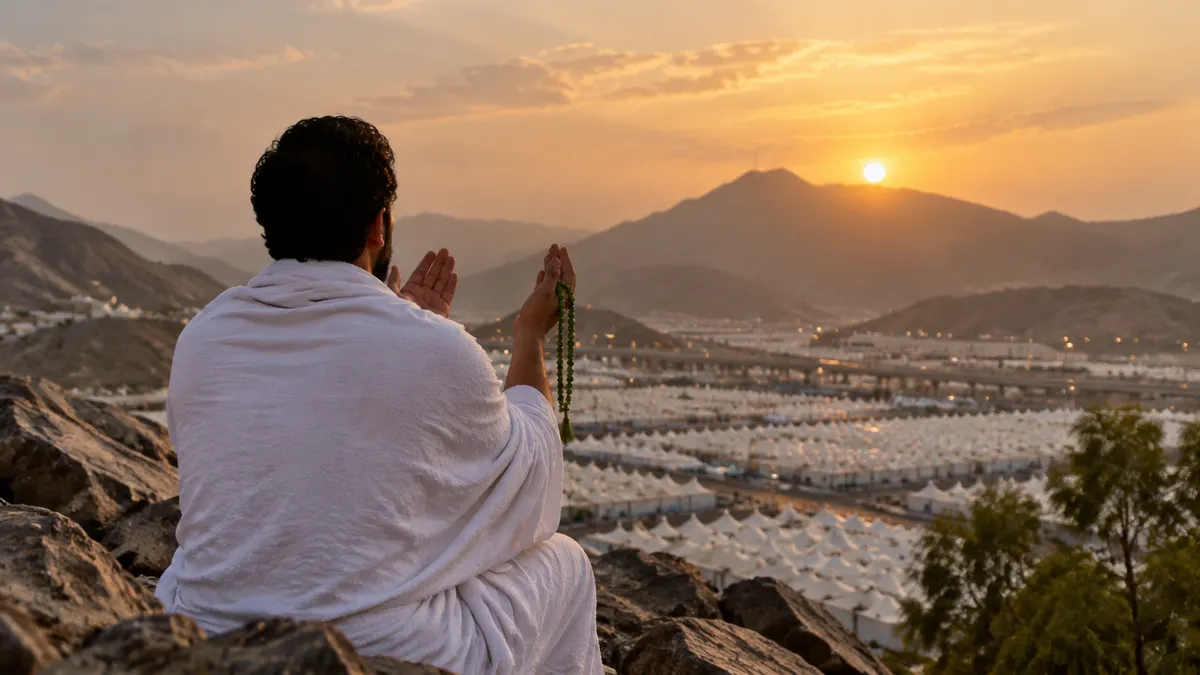
Preparing for Hajj involves more than arranging travel documents, accommodation, and personal belongings. A Muslim should also prepare their heart and mind for this important act of worship.
Since Hajj is a journey of faith and submission to Allah, spiritual preparation helps pilgrims approach it with sincerity, humility, and a clear intention.
Here are some important ways to prepare spiritually before Hajj:
1Renew Your Intention (Niyyah)
Begin by making a sincere intention to perform Hajj solely for the sake of Allah. Remember that the purpose of this journey is worship, obedience, and seeking His pleasure rather than recognition or praise from others.
2Seek Forgiveness and Repent
Take time to reflect on past mistakes and sincerely ask Allah for forgiveness. Make a commitment to leave sinful habits behind and improve your conduct.
3Learn About the Rituals of Hajj
Understanding the religious significance and requirements of Hajj can help reduce confusion during the pilgrimage. Learn about Ihram, Tawaf, Sa'i, Arafat, Muzdalifah, and the other important rituals.
4Fulfil the Rights of Others
Before travelling, make an effort to settle outstanding debts, return anything that belongs to others, and seek forgiveness from people you may have wronged. Make appropriate arrangements for your family's responsibilities while you are away.
5Increase Your Worship
Develop a stronger connection with Allah through regular prayers, Quran recitation, Dhikr, and Du'a. These practices can help prepare your heart for the spiritual experience of Hajj.
6Practise Patience and Good Character
Hajj brings together millions of people, often in physically demanding circumstances. Practise patience, avoid arguments, show kindness, and learn to consider the comfort of others.
7Make Du'a for an Accepted Hajj
Ask Allah to make the journey easy, protect you from difficulties, forgive your shortcomings, and grant you Hajj Mabroor.
Conclusion: A Journey That Stays in the Heart
Hajj is one of the greatest blessings a Muslim can experience. It brings believers closer to Allah, reminds them of the importance of sacrifice, and teaches lessons of patience, humility, and unity.
From the legacy of Prophet Ibrahim (AS) to the gathering of Muslims at Arafat, every part of Hajj carries a reminder of faith and devotion. It is a journey that encourages believers to reflect on their lives, seek forgiveness, and strengthen their commitment to Islam.
For those who have already performed Hajj, its lessons should continue to guide their everyday lives. For those who are still waiting for the opportunity, may Allah make this sacred journey possible for them.
May Allah accept the Hajj of all pilgrims, forgive their shortcomings, and grant every Muslim the opportunity to visit His Sacred House. Ameen.