
Umrah is a special journey that brings Muslims from different countries, cultures, and backgrounds together in Makkah. People travel thousands of miles with the hope of worshipping Allah, seeking forgiveness, and strengthening their faith.
During this journey, much of the attention is naturally focused on completing the rituals of Umrah, making dua, and spending time in Masjid al-Haram. However, there is another important part of the experience that deserves attention: how we treat the people around us.
Kindness, patience, and respect are important Islamic values. They should be reflected not only in our daily lives but also throughout our journey of worship. Every pilgrim deserves to feel safe, respected, and comfortable, especially in a place as important as Makkah.
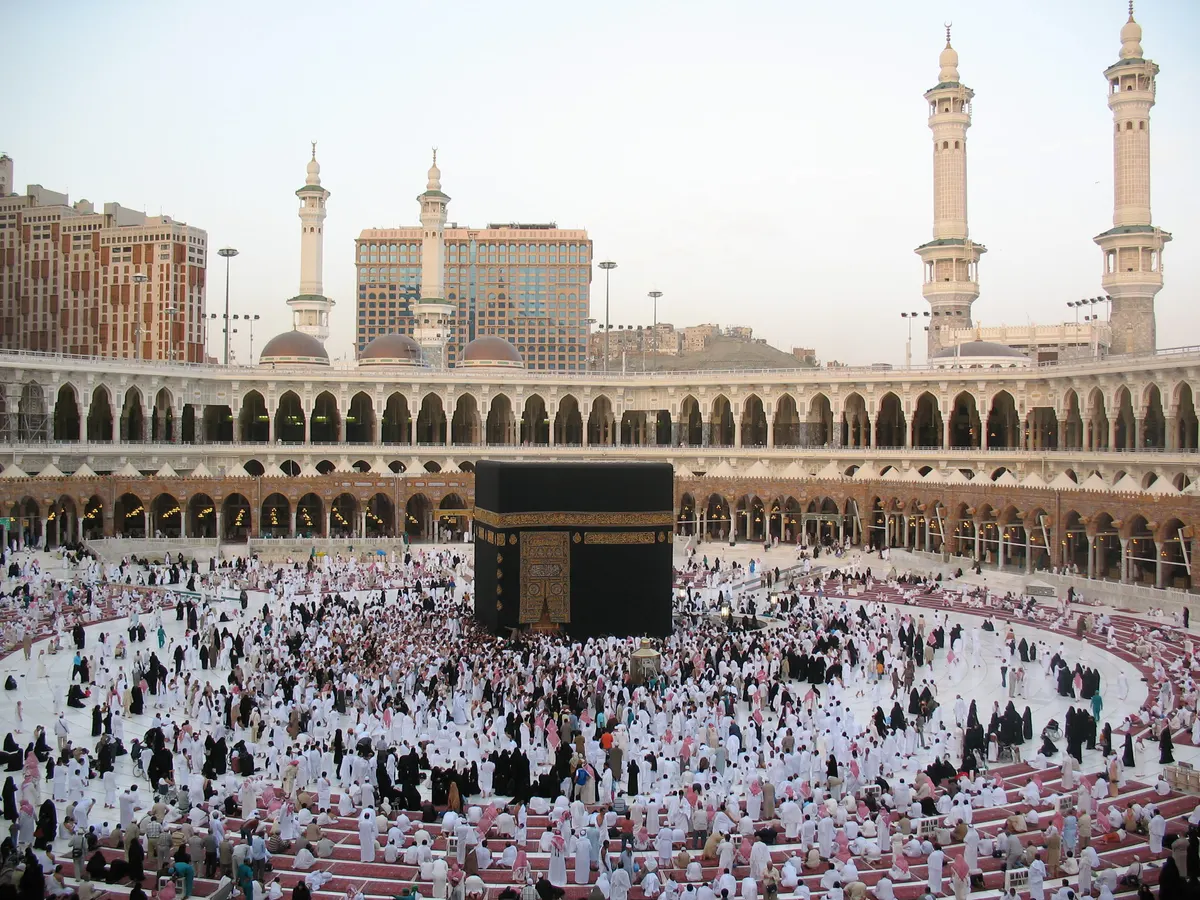
Islam Teaches Kindness and Good Manners
Islam places great importance on treating others with kindness. A Muslim's character is reflected not only through acts of worship but also through words, behaviour, and dealings with other people.
In Surah Al-Ma'idah, Allah says:
"And cooperate in righteousness and piety, but do not cooperate in sin and aggression." (Quran 5:2)
This verse reminds Muslims to support one another in doing good. During Umrah, this can be reflected in simple actions such as helping someone who needs assistance, guiding a lost pilgrim, or being patient with someone who is struggling.
Patience in Crowded Places
Masjid al-Haram welcomes large numbers of pilgrims, particularly during busy seasons. People from different backgrounds gather to perform Tawaf, offer prayers, and worship Allah.
With so many people sharing the same space, crowded conditions can sometimes become challenging. Pilgrims may have to wait, adjust their movements, or follow designated routes.
These situations require patience and consideration.
Pushing others to move ahead, blocking pathways, or becoming angry when someone moves slowly can create difficulties for fellow pilgrims. Instead, everyone should try to remain calm and give others enough space.
Remember that every person around you has come with the same intention of worshipping Allah. A little patience can make the experience easier and more peaceful for everyone.
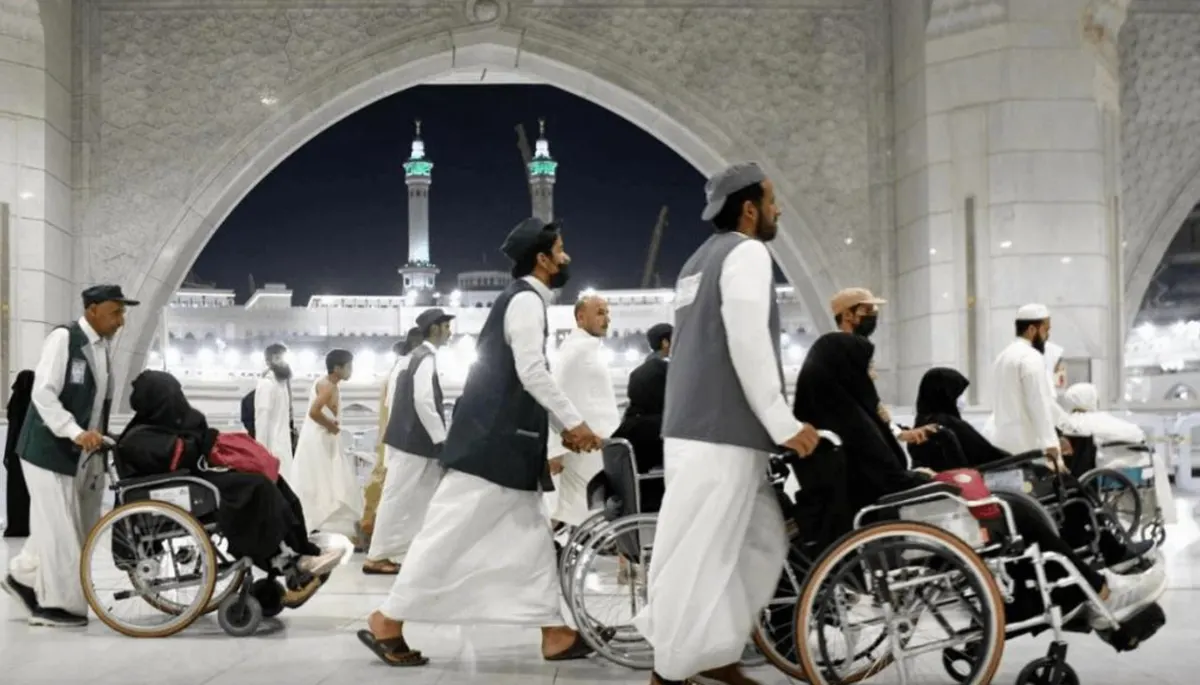
Help Elderly and Vulnerable Pilgrims
Not every pilgrim experiences Umrah in the same way. Some are elderly, some have physical difficulties, and others may be performing Umrah for the first time.
For these individuals, navigating crowded areas and completing the journey can be challenging.
Offering help when appropriate can make a meaningful difference.
You can show kindness by:
- Helping an elderly pilgrim find the correct direction.
- Giving someone enough space to walk comfortably.
- Assisting a person who appears confused or needs guidance.
- Offering a seat to someone who is tired, where appropriate.
- Helping someone contact their group if they have become separated.
Even a small act of assistance can bring comfort to another person. However, help should always be offered respectfully, without making anyone feel uncomfortable or dependent.
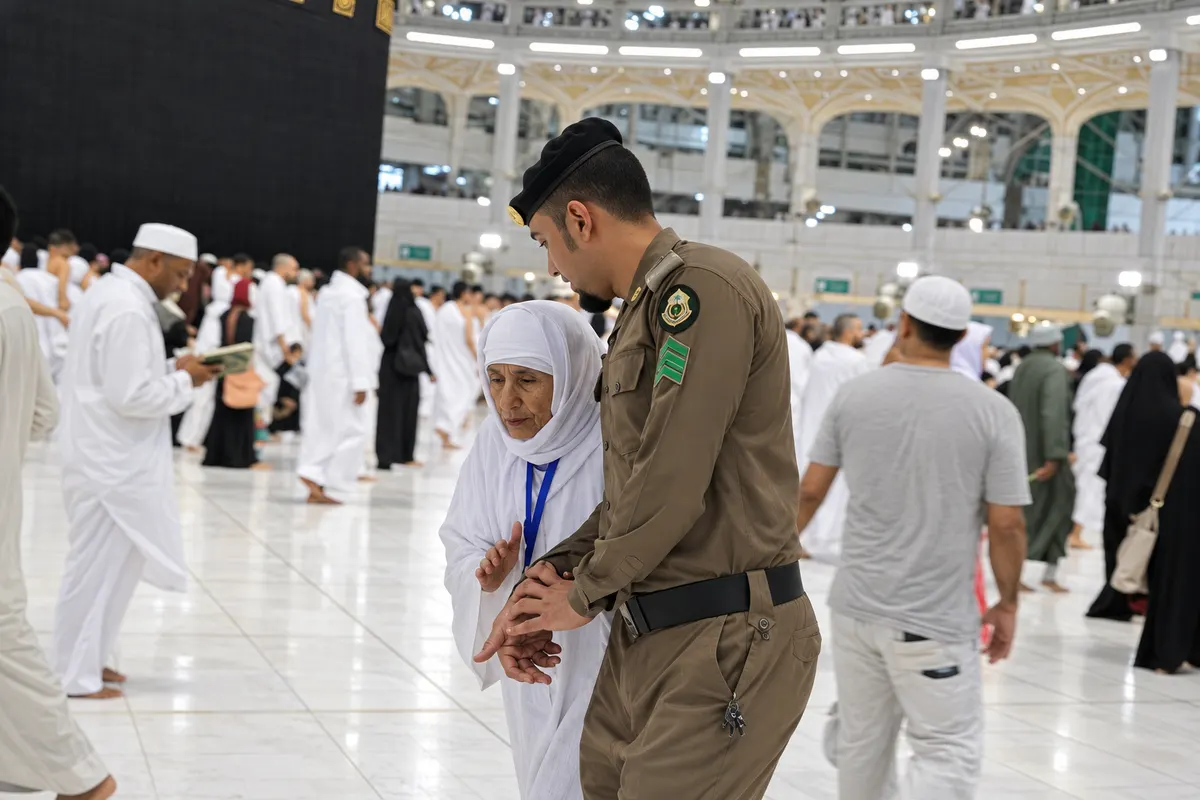
Respect Other Pilgrims During Tawaf and Prayer
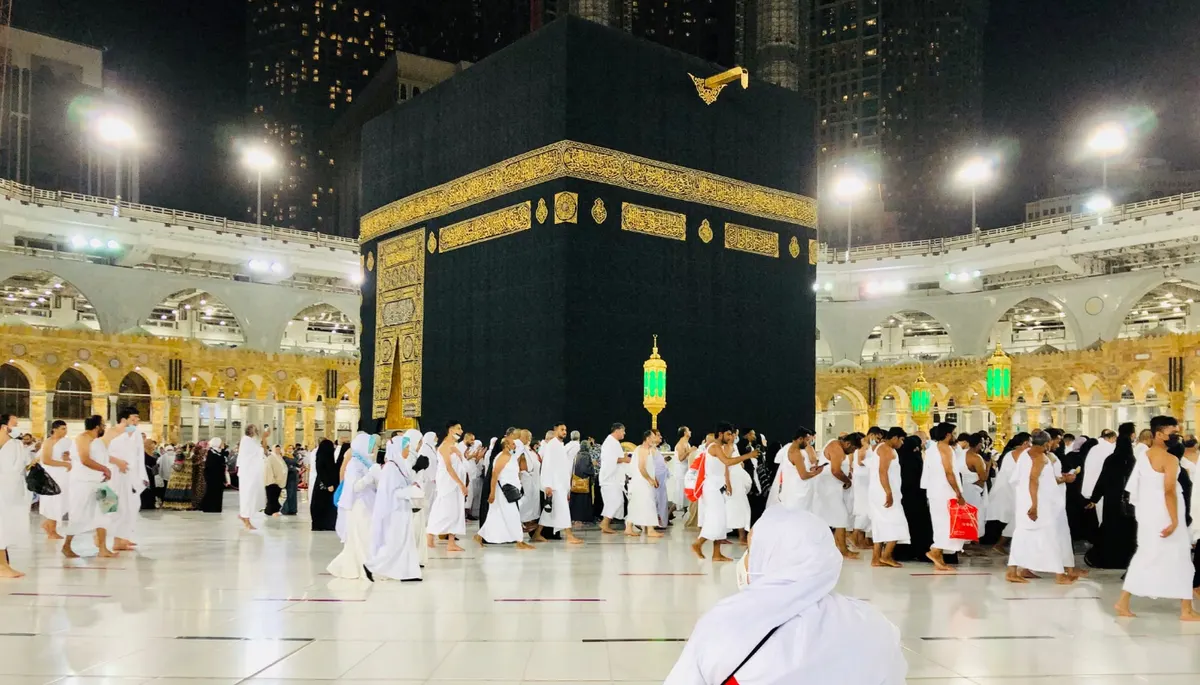
Tawaf is one of the central rituals of Umrah. Pilgrims walk around the Kaaba in worship, remembering Allah and making dua.
Because many people perform Tawaf at the same time, it is important to remain aware of others.
Avoid pushing, forcing your way through groups, or stopping suddenly in busy walking areas. Follow the instructions of the authorities and use designated routes where required.
The same consideration applies during prayer. Avoid blocking entrances, walkways, or spaces needed by others. Keep personal belongings organised and make sure they do not create inconvenience.
Respecting other people's space is a simple but important way to show good manners during worship.
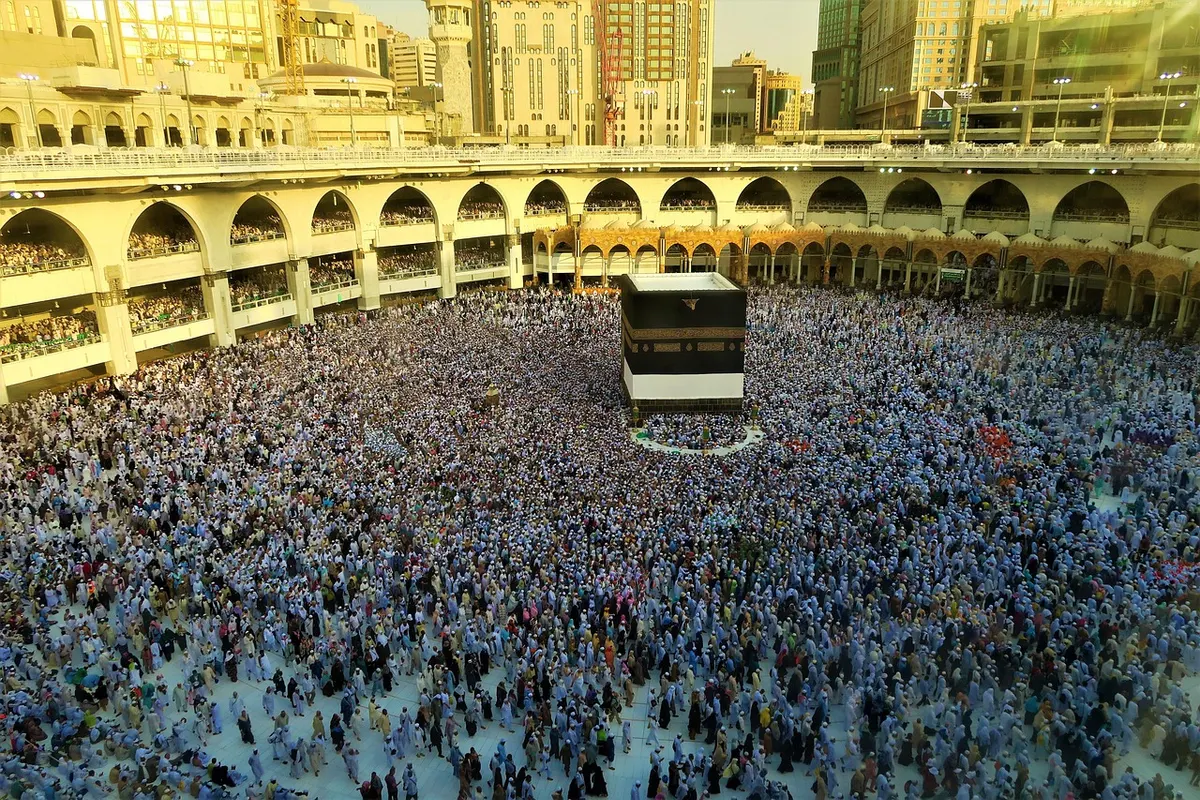
Avoid Arguments and Harsh Words
Travelling for Umrah can involve long journeys, physical tiredness, waiting periods, and unfamiliar surroundings. These situations can sometimes make people impatient.
However, a difficult moment should not become a reason to speak harshly or argue with another pilgrim.
Allah reminds the Prophet Muhammad (peace and blessings be upon him) of the importance of gentleness in Surah Ali 'Imran:
"It is out of Allah's mercy that you ˹O Prophet˺ were lenient with them. Had you been cruel or hard-hearted, they would have certainly abandoned you." (Quran 3:159)
This verse highlights the importance of a gentle approach when dealing with others.
If someone makes a mistake, try to respond calmly. If a disagreement occurs, avoid allowing it to grow into an argument. Sometimes, remaining silent and walking away is the better choice.
A journey of worship is also an opportunity to practise patience and control over our words and reactions.
Small Acts of Kindness Can Make a Difference
Kindness does not always require money, time, or a major effort. Often, it is reflected in the smallest actions.
A smile, a kind greeting, giving directions, sharing useful information, or making space for someone can make another pilgrim feel welcome.
The Prophet Muhammad (peace and blessings be upon him) taught that even meeting another person with a cheerful face is an act of charity.
These simple actions remind us that good character is an important part of Muslim life.
During Umrah, pilgrims have many opportunities to practise these values. Rather than focusing only on their own journey, they can also consider how their behaviour affects the people around them.
Follow the Rules and Consider the Safety of Others
Showing respect during Umrah also means following the instructions given by the authorities responsible for organising the pilgrimage.
These instructions help manage large crowds and protect the safety of pilgrims.
Whether it is following designated routes, respecting movement restrictions, or listening to staff members, cooperation helps create a safer environment.
The Ministry of Hajj and Umrah also encourages pilgrims to display good character, remain gentle, help their companions, avoid arguments, and follow organisational instructions.
Following these guidelines is not simply about personal convenience. It is also about considering the well-being of thousands of other people sharing the same sacred spaces.
Let Your Behaviour Reflect Your Faith
Umrah is an opportunity to strengthen our relationship with Allah and reflect on the kind of Muslims we want to become.
The journey teaches patience, discipline, gratitude, and humility. These lessons should also be visible in the way we treat others.
A pilgrim who shows kindness to an elderly person, avoids causing inconvenience, speaks respectfully, and helps someone in need is putting important Islamic values into practice.
As you prepare for Umrah, remember to prepare not only for the rituals but also for the responsibilities that come with sharing this journey with millions of other Muslims.
Carry Kindness Beyond the Journey
The values we practise during Umrah should not remain limited to Makkah. Patience, kindness, respect, and consideration are qualities that should continue to guide our behaviour long after we return home.
May Allah accept the Umrah of all pilgrims, forgive their shortcomings, and make their journey safe, peaceful, and full of blessings. Ameen.