
Tawheed is the foundation of Islam. It teaches Muslims to believe in the Oneness of Allah, worship Him alone, and recognise that He has no partner or equal.
At the heart of Islam is one fundamental belief: there is no god worthy of worship except Allah. This belief is known as Tawheed, and it shapes every part of a Muslim's faith, worship, and daily life.
Tawheed is more than simply believing that Allah exists. It means recognising Him as the One and Only Creator, placing our trust in Him, directing all acts of worship towards Him, and understanding that nothing is equal to Him.
Whether a Muslim is praying, making Dua, seeking guidance, or going through difficult times, Tawhid reminds them that Allah is the ultimate source of help, mercy, and guidance.
Let's understand what Tawhid means, why it is so important, and how Muslims can practise it in their everyday lives.
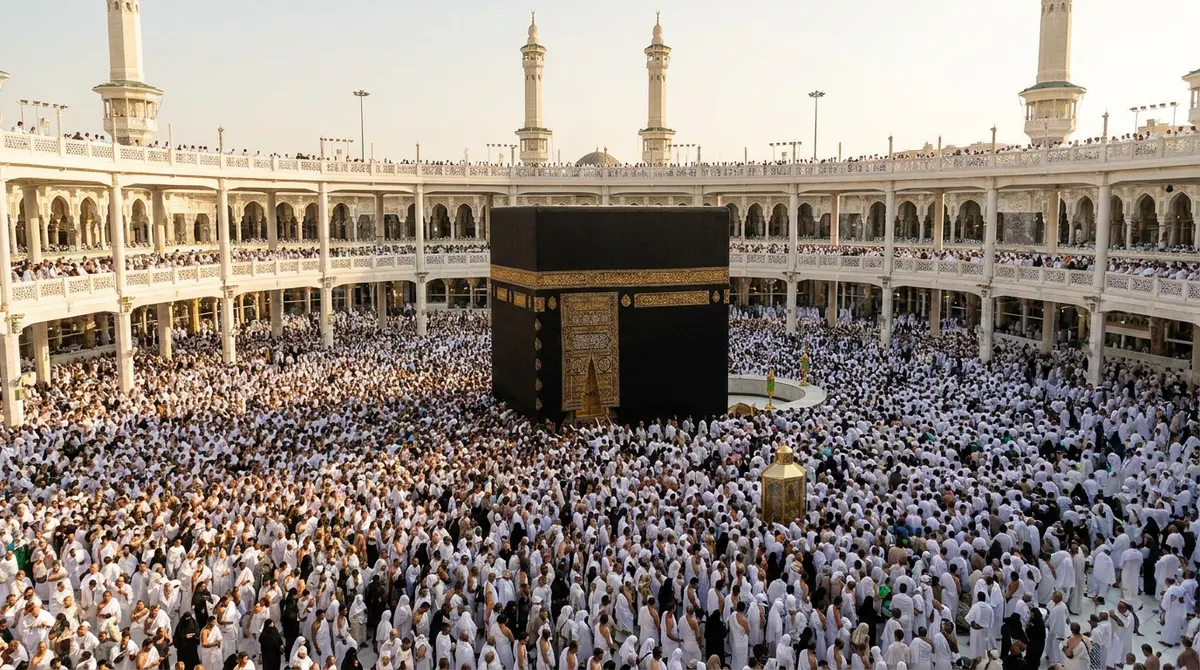
What Does Tawheed Mean?
The word Tawheed comes from the Arabic root Wahhada, Yuwahhed, Tawheed, which means to make something one or to affirm its oneness.
In Islam, Tawheed means believing that Allah is One, with no partners, equals, or associates. Allah says in the Quran:
"Say, He is Allah, One."
(Surah Al-Ikhlas, 112:1)
This short verse expresses one of the most important beliefs in Islam. Allah is One in His existence, His attributes, and His right to be worshipped.
Muslims believe that:
- Allah is the Creator and Sustainer of everything.
- He alone deserves worship.
- He has no partner, child, or equal.
- Nothing is comparable to Him. ( SWT)
- He knows everything and has complete power over all things.
Tawhid is the foundation upon which a Muslim builds their relationship with Allah.
The Three Aspects of Tawheed
Islamic scholars commonly explain Tawhid through three aspects. Together, they help Muslims understand the Oneness of Allah and what it means to worship Him alone.
#### 1\. Tawheed ar-Rububiyyah: Oneness of Lordship
Tawheed ar-Rububiyyah means believing that Allah alone is the Creator, Owner, Sustainer, and Controller of everything.
Everything in the universe exists by His will. He created the heavens and the earth, provides for His creation, gives life, and death.
Allah says:
"Allah is the Creator of all things, and He is, over all things, Disposer of affairs."
(Surah Az-Zumar, 39:62)
This aspect of Tawhid reminds Muslims that:
- Allah is the source of all provision.
- Nothing happens outside His knowledge and permission.
- All creation depends on Him.
- He has complete control over the universe.
For a Muslim, understanding Allah's Lordship brings comfort and strengthens trust in Him, especially during difficult moments.
#### 2\. Tawheed al-Uluhiyyah: Oneness of Worship
Tawheed al-Uluhiyyah means directing all acts of worship towards Allah alone.
It is not enough to acknowledge Allah as the Creator. Muslims must also worship Him without associating anyone or anything with Him.
This includes:
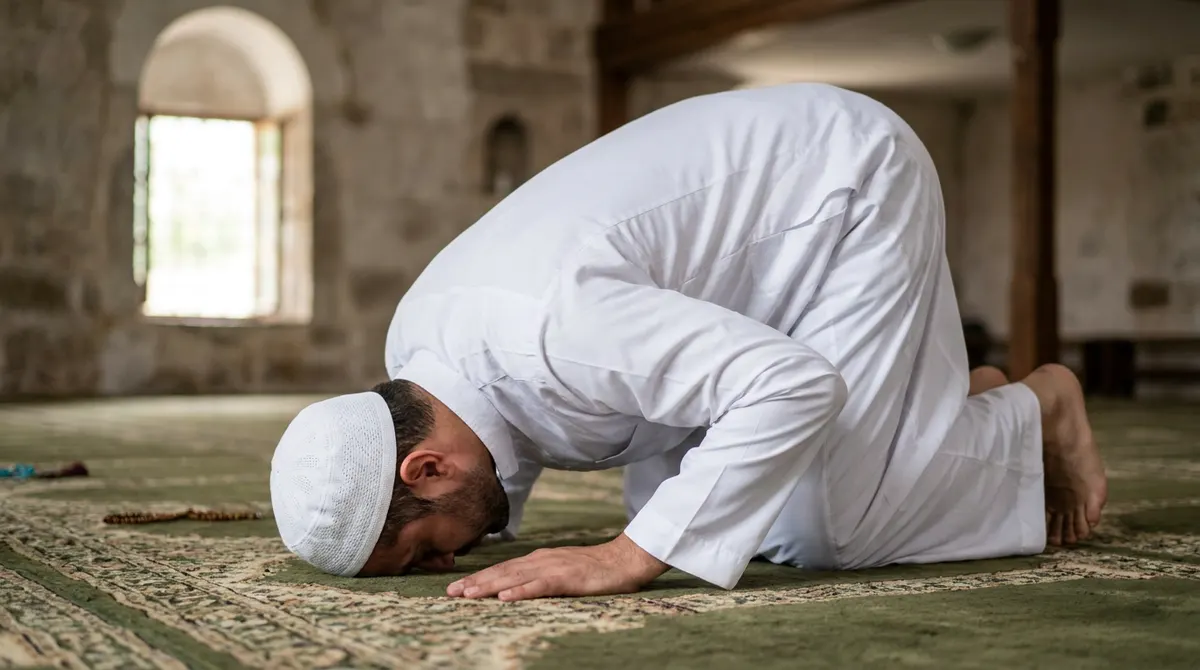
- Performing Salah for Allah.
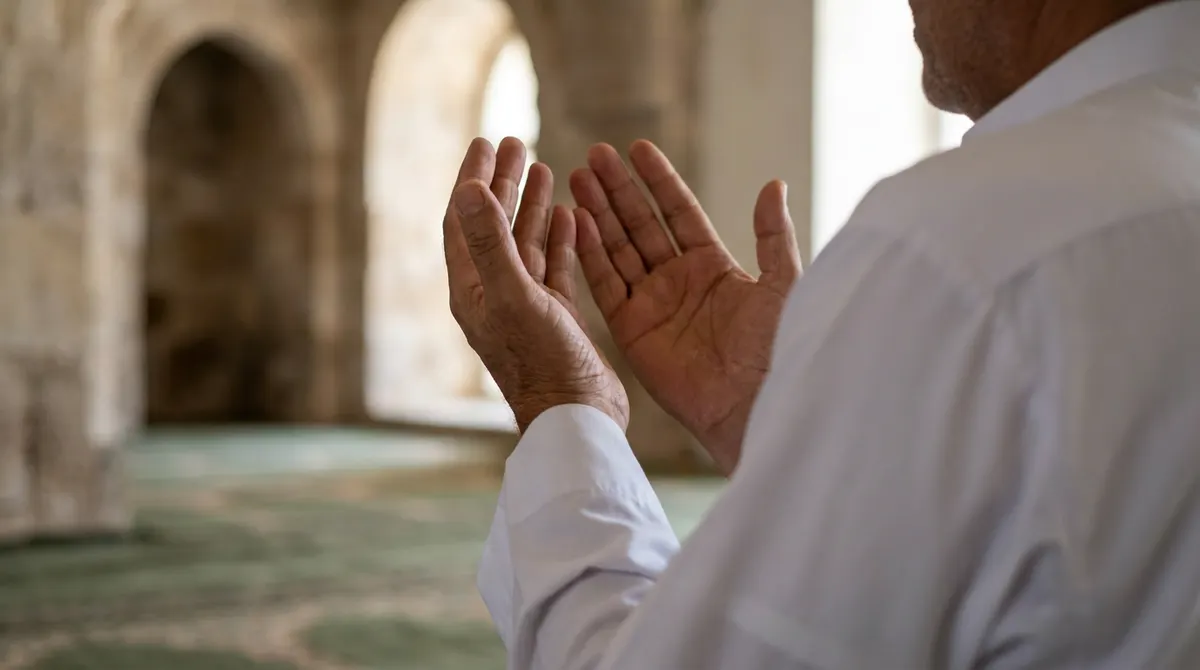
- Making Dua to Allah.
- Seeking His forgiveness.
- Placing ultimate trust and reliance upon Him.
- Offering sacrifices as acts of worship to Him.
- Seeking His guidance and mercy.
Allah says:
"And I did not create jinn and mankind except to worship Me."
(Surah Adh-Dhariyat, 51:56)
This verse explains the purpose of human creation: to worship Allah.
Worship is not limited to prayer. It also includes sincere intentions and everyday actions performed in ways that please Allah.
#### 3\. Tawheed al-Asma wa as-Sifaat: Oneness of Allah's Names and Attributes
This aspect of Tawhid means believing in the beautiful names and perfect attributes of Allah as revealed in the Quran and authentic teachings of Prophet Muhammad ﷺ.
Allah has names that describe His greatness, mercy, knowledge, and power. Some of His beautiful names include:
- Ar-Rahman: The Most Merciful.
- Ar-Raheem: The Especially Merciful.
- Al-Ghafoor: The Most Forgiving.
- Al-Aleem: The All-Knowing.
- As-Samee: The All-Hearing.
- Al-Baseer: The All-Seeing.
Allah says:
"And to Allah belong the best names, so invoke Him by them."
(Surah Al-A'raf, 7:180)
Muslims believe in Allah's names and attributes without comparing Him to His creation or changing their revealed meanings.
Learning these names helps Muslims understand Allah's greatness and develop a stronger connection with Him.
Why Is Tawheed Important in Islam?
Tawheed is not simply one belief among many. It is the foundation of the Islamic faith.
Every Muslim's relationship with Allah begins with recognising His Oneness. The Shahadah, the declaration of faith, reflects this belief:
La ilaha illallah, Muhammadur Rasulullah.
There is no god worthy of worship except Allah, and Muhammad ﷺ is the Messenger of Allah. Tawhid is important for several reasons.
1It is the foundation of faith
A Muslim's belief begins with the Oneness of Allah. All other acts of worship and religious responsibilities are built upon this foundation.
2It protects against Shirk
Shirk means associating partners with Allah in matters that belong exclusively to Him. Islam considers it one of the gravest sins.
Allah says:
"Indeed, Allah does not forgive associating others with Him, but forgives what is less than that for whom He wills."
(Surah An-Nisa, 4:48)
This highlights the seriousness of Shirk and the importance of maintaining pure belief in Allah.
3It strengthens trust in Allah
When Muslims understand that Allah controls everything, they learn to turn to Him in difficult situations. They can make efforts, seek solutions, and trust His wisdom.
4It gives life a clear purpose
Tawhid reminds Muslims that their lives are not without meaning. They were created to worship Allah and live according to His guidance.
5It encourages sincerity
When worship is directed towards Allah alone, Muslims learn to seek His pleasure rather than people's approval. This helps develop sincerity in their actions.
How Can Muslims Practise Tawheed in Everyday Life?
Tawhid is not only something Muslims learn in books or discuss in religious gatherings. It should be reflected in their everyday choices, actions, and intentions.
Here are some simple ways to strengthen Tawhid in daily life:
- Perform Salah regularly: Remember that prayer is an act of worship directed towards Allah alone.
- Make Dua: Turn to Allah when seeking help, forgiveness, guidance, and blessings.
- Learn the names of Allah: Understand their meanings and reflect on what they teach about His greatness.
- Place your trust in Allah: Make sincere efforts while remembering that the outcome is ultimately in His hands.
- Avoid Shirk: Keep your worship and religious beliefs free from associating partners with Allah.
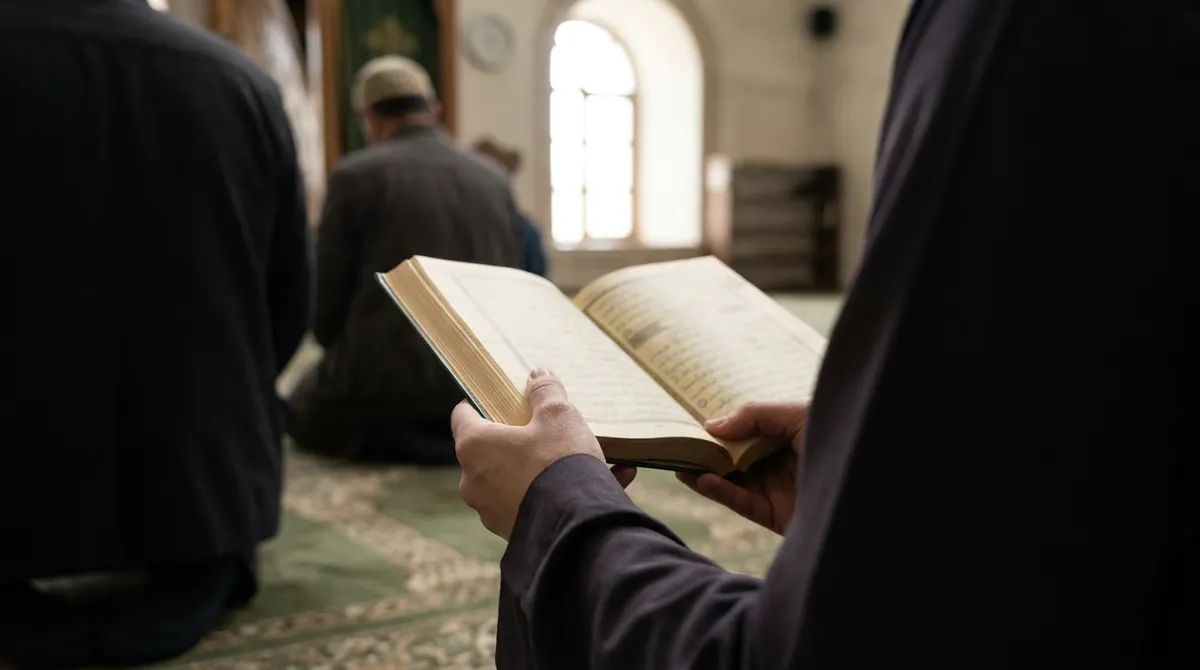
- Read and understand the Quran: Reflect on the verses that explain Allah's Oneness and His relationship with His creation.
- Keep your intentions sincere: Try to perform good deeds for the sake of Allah rather than seeking praise or recognition from others.
These practices help make Tawhid a living part of a Muslim's faith rather than just a concept they know.
Tawheed and Surah Al-Ikhlas
Surah Al-Ikhlas is one of the clearest explanations of Tawhid in the Quran.
Although it contains only four verses, it communicates the essential belief in Allah's absolute Oneness. The Surah says:
قُلْ هُوَ اللَّهُ أَحَدٌ اللَّهُ الصَّمَدُ لَمْ يَلِدْ وَلَمْ يُولَدْ وَلَمْ يَكُن لَّهُ كُفُوًا أَحَدٌ
Meaning:
"Say, He is Allah, the One.
Allah, the Eternal Refuge.
He neither begets nor is born.
Nor is there to Him any equivalent."
(Surah Al-Ikhlas, 112:1–4)
These verses teach Muslims that Allah is absolutely One, independent of all creation, and unlike anything that exists.
The Surah is a powerful reminder of the belief that lies at the centre of Islam.
Strengthening Our Connection with Allah Through Tawhid
Understanding Tawhid changes how Muslims approach life. It reminds them that their worship belongs to Allah alone, their ultimate reliance should be upon Him, and their purpose is to seek His pleasure.
It also brings a sense of peace and direction. When facing uncertainty, Muslims can remember that Allah knows what they cannot see and that His knowledge and wisdom are beyond human understanding.
Learning about Tawhid should therefore be an ongoing part of every Muslim's life. Reading the Quran, reflecting its teachings, learning the beautiful names of Allah, and practising sincere worship can all help strengthen this belief.
Final Thoughts
Tawheed is the foundation of Islam and the starting point of a Muslim's relationship with Allah. It teaches us to recognise His Oneness, worship Him alone, and rely upon Him in every aspect of life.
It is a belief that should be reflected not only in our words but also in our actions, intentions, and daily decisions.
As Muslims, strengthening our understanding of Tawhid helps us remain connected to our Creator and reminds us of the true purpose of our existence.
May Allah strengthen our faith, keep our hearts firm upon Tawhid, protect us from Shirk, and guide us towards what pleases Him. Ameen.