
The Day of Arafah is one of the most important days in the Islamic calendar. It is a day connected to Hajj, remembrance of Allah, supplication and seeking forgiveness. For Muslims performing Hajj, it is the day they stand at Arafah as part of their pilgrimage. For Muslims who are not performing Hajj, it is an opportunity to fast and seek the reward promised by Allah.
The importance of this day is established in the Qur'an and the teachings of Prophet Muhammad ﷺ. Understanding its virtues helps Muslims recognise its value and make the most of it through acts of worship.
What Is the Day of Arafah?
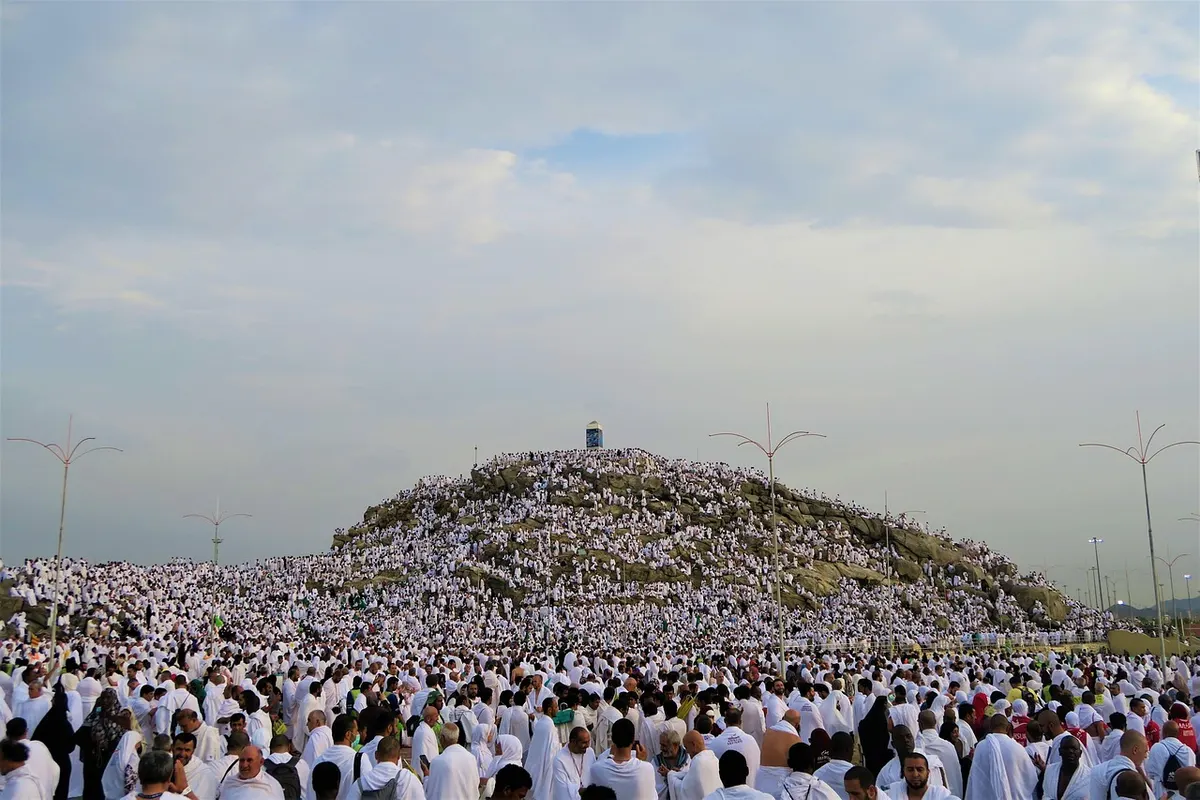
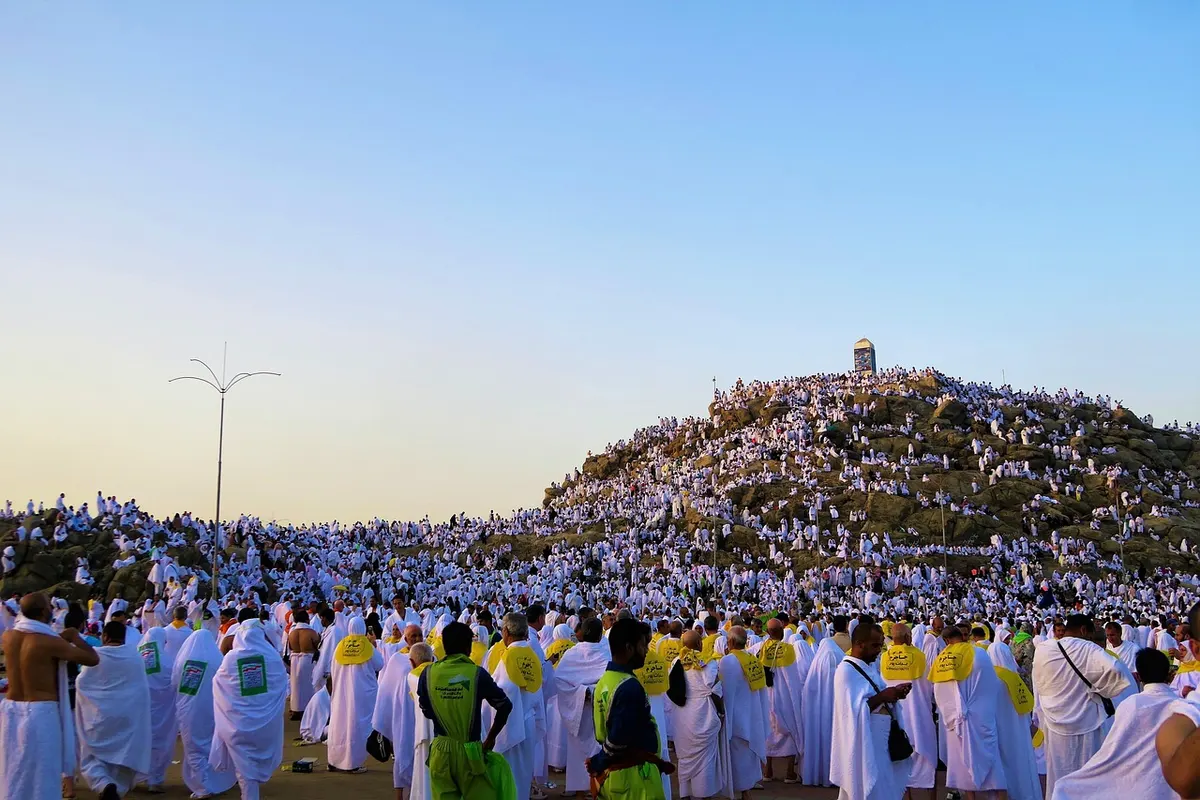
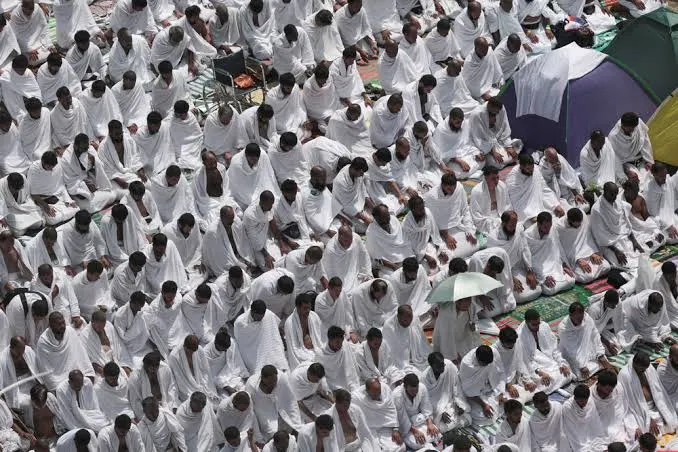
The Day of Arafah falls on the ninth day of Dhul-Hijjah, the twelfth month of the Islamic calendar. It is the day when pilgrims performing Hajj gather at Arafah as part of their pilgrimage.
Standing at Arafah is an essential part of Hajj. The Messenger of Allah ﷺ said:
"Hajj is Arafah."
(Sunan Abi Dawud, Hadith 1949; authenticated by Shaykh Al-Albani)
This statement shows the great importance of Arafah in the Hajj pilgrimage. A pilgrim who misses the standing at Arafah has missed the essential part of Hajj.
1\. A Day When Allah Frees Many People from the Fire
One of the greatest virtues of the Day of Arafah is the forgiveness and mercy of Allah.
Aishah (may Allah be pleased with her) reported that the Messenger of Allah ﷺ said:
"There is no day on which Allah frees more people from the Fire than the Day of Arafah. He draws near and then praises them to the angels, saying: What do these people want?"
Sahih Muslim, Hadith 1348
This authentic hadith reminds Muslims of the great mercy of Allah on this day. It is an opportunity to turn to Him, seek His forgiveness and ask Him for what is good.
A Muslim should not lose hope in the mercy of Allah. Instead, this day should encourage us to make sincere repentance and increase our worship.
2\. The Importance of Standing at Arafah During Hajj
For those performing Hajj, standing at Arafah is one of the most important acts of the pilgrimage.
The pilgrims gather at Arafah, remembering Allah and making supplications. They come from different countries and backgrounds, but they share the same purpose: worshipping Allah.
Allah says in the Qur'an:
"Then when you depart from Arafat, remember Allah at Al-Mash'ar Al-Haram. And remember Him, as He has guided you, for indeed you were before that among those astray."
(Surah Al-Baqarah, 2:198)
This verse teaches the importance of remembering Allah during Hajj and being grateful for His guidance.
Allah also says:
"Then depart from the place from where all the people depart and ask Allah for forgiveness. Indeed, Allah is Forgiving and Merciful."
(Surah Al-Baqarah, 2:199)
These verses remind pilgrims that Hajj is not simply about completing physical acts. It is also about remembering Allah, following His guidance and seeking His forgiveness.
3\. The Virtue of Fasting on the Day of Arafah
For Muslims who are not performing Hajj, fasting on the Day of Arafah is a highly recommended act of worship.
Abu Qatadah (may Allah be pleased with him) reported that the Messenger of Allah ﷺ was asked about fasting on the Day of Arafah. He replied:
"It expiates the sins of the preceding year and the coming year."
Sahih Muslim, Hadith 1162
This is a great reward from Allah. A single day of voluntary fasting can be a means of expiation for sins over two years.
However, this fasting is for those who are not performing Hajj. The Prophet ﷺ did not fast while standing at Arafah during his Hajj.
Umm Al-Fadl (may Allah be pleased with her) reported that people were unsure whether the Prophet ﷺ was fasting on the Day of Arafah. She sent him milk while he was standing at Arafah, and he drank it.
(Sahih al-Bukhari, Hadith 1988)
This shows the difference between the practice for pilgrims standing at Arafah and Muslims observing the day elsewhere.
4\. Making Dua and Remembering Allah
The Day of Arafah is a time to increase supplication and remembrance of Allah.
Pilgrims at Arafah spend their time remembering Allah and asking Him for forgiveness, guidance and mercy. Muslims who are not performing Hajj can also use this day to make sincere dua and increase their remembrance of Allah.
Allah says:
"And when My servants ask you concerning Me, indeed I am near. I respond to the invocation of the supplicant when he calls upon Me."
(Surah Al-Baqarah, 2:186)
This verse reminds us that Allah hears the supplication of His servants. A Muslim should call upon Him with sincerity, humility and hope.
Dua can include asking Allah for forgiveness, guidance, protection from the Fire, goodness in this life and goodness in the Hereafter.
Allah says:
"Our Lord, give us in this world that which is good and in the Hereafter that which is good and protect us from the punishment of the Fire."
(Surah Al-Baqarah, 2:201)
This is a supplication mentioned in the Qur'an and one that Muslims can make on this blessed day and throughout the year.
5\. Seeking Forgiveness and Returning to Allah
The Day of Arafah is a reminder that every Muslim needs the forgiveness of Allah.
No matter how many mistakes a person has made, the door of repentance remains open as long as Allah wills. A Muslim should turn away from sin, regret past mistakes and sincerely ask Allah for forgiveness.
Allah says:
"And whoever does evil or wrongs himself but afterwards seeks Allah's forgiveness, he will find Allah Oft-Forgiving, Most Merciful."
(Surah An-Nisa, 4:110)
Repentance should not be limited to one particular day. However, the virtues of the Day of Arafah remind us to take our worship seriously and return to Allah with sincere hearts.
How Can Muslims Make the Most of the Day of Arafah?
Muslims who are not performing Hajj can make use of this day through acts of worship established in the Qur'an and Sunnah:
- Fast: Observe the voluntary fast of the Day of Arafah, seeking the reward mentioned in Sahih Muslim.
- Make dua: Ask Allah sincerely for forgiveness, guidance and goodness in this life and the Hereafter.
- Remember Allah: Increase in dhikr and remembrance of Allah.
- Repent sincerely: Leave sins, regret past mistakes and ask Allah for forgiveness.
- Read the Qur'an: Spend time reciting and reflecting on the words of Allah.
- Be grateful: Remember the blessings of Allah and thank Him for His guidance.
These acts are reminders that worship is not limited to one day. A Muslim should continue striving to obey Allah throughout the year.
A Reminder of Allah's Infinite Mercy
The Day of Arafah is a special opportunity for Muslims to seek the mercy and forgiveness of Allah. Its importance is clearly established through the Qur'an and the authentic teachings of Prophet Muhammad ﷺ.
For pilgrims, standing at Arafah is an essential part of Hajj. For those who are not performing Hajj, fasting, making dua, remembering Allah and seeking forgiveness are among the ways to benefit from this day.
We should approach the Day of Arafah with sincerity, humility and hope in Allah's mercy. May Allah accept the Hajj of the pilgrims, forgive our sins, guide us to what pleases Him and grant us goodness in this life and the Hereafter. Ameen.