
Islam is a complete way of life built on faith, worship, and responsibility. At its foundation are five essential acts of worship known as the Five Pillars of Islam. They provide Muslims with guidance on how to strengthen their relationship with Allah, fulfil their religious obligations, and contribute positively to society.
The Five Pillars are not simply individual religious practices. Together, they shape a Muslim's beliefs, daily routine, character, and spiritual journey.
The importance of these pillars is explained in a Hadith narrated by Abdullah ibn Umar (RA), in which Prophet Muhammad (peace and blessings be upon him) said:
"Islam is built upon five: testifying that there is no god but Allah and that Muhammad is the Messenger of Allah, establishing prayer, giving Zakat, performing Hajj, and fasting during Ramadan."
Reference: Sahih al-Bukhari 8; Sahih Muslim 16.
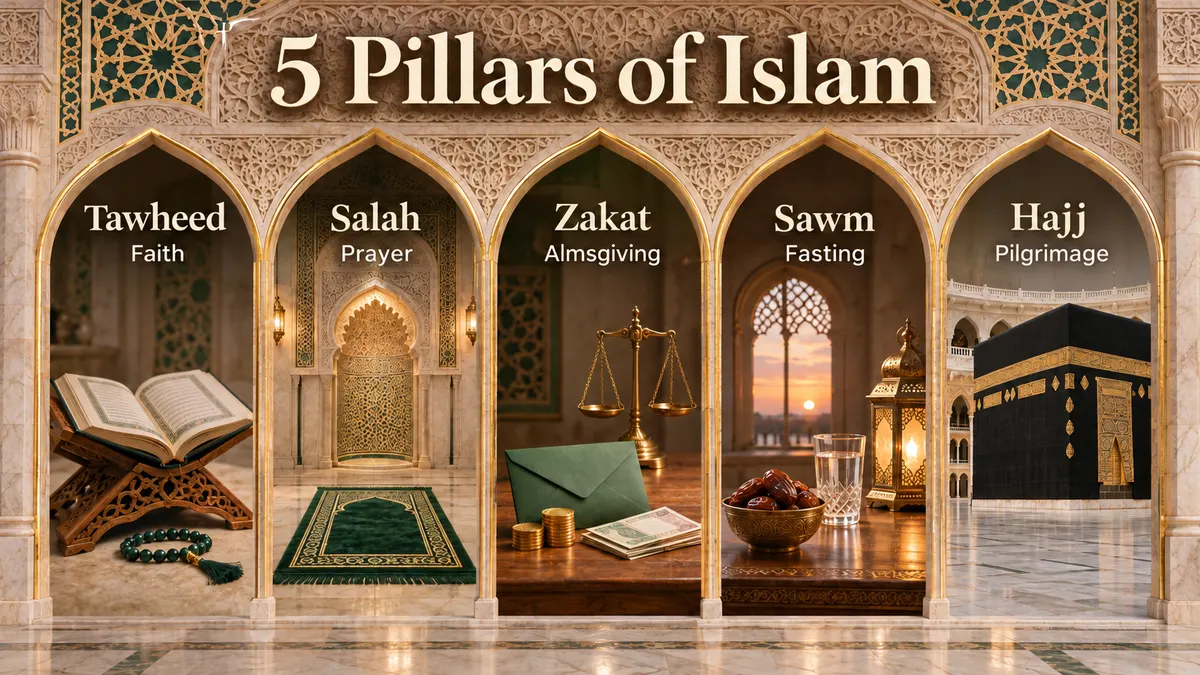
1\. Tawhid – Belief in the Oneness of Allah
Tawhid is the foundation of Islamic faith. It means believing that Allah is One, has no partners, and is the only One worthy of worship. Every aspect of a Muslim's faith begins with this belief.
Islam teaches that Allah is the Creator, Sustainer, and Lord of everything. Muslims are encouraged to place their trust in Him, seek His guidance, and worship Him alone.
The declaration of faith, known as the Shahada, expresses this belief and also confirms that Prophet Muhammad (peace and blessings be upon him) is the Messenger of Allah.
The Quranic Guidance on Tawhid
Allah says in Surah Al-Ikhlas (112:1–4):
"Say, He is Allah, \[who is\] One. Allah, the Eternal Refuge. He neither begets nor is born, nor is there to Him any equivalent."
This Surah clearly explains the Oneness and uniqueness of Allah.
Another important reference is Surah Al-Baqarah (2:163), which reminds believers that their God is One and that there is no deity worthy of worship except Him.
Why Is Tawhid Important?
- It establishes the foundation of a Muslim's faith.
- It teaches Muslims to worship Allah alone.
- It encourages complete trust in Allah.
- It reminds believers that Allah is the ultimate source of guidance and mercy.
- It gives purpose and direction to a Muslim's life.
Tawhid is not simply a statement of belief. It is a principle that influences how Muslims think, worship, make decisions, and live their lives.
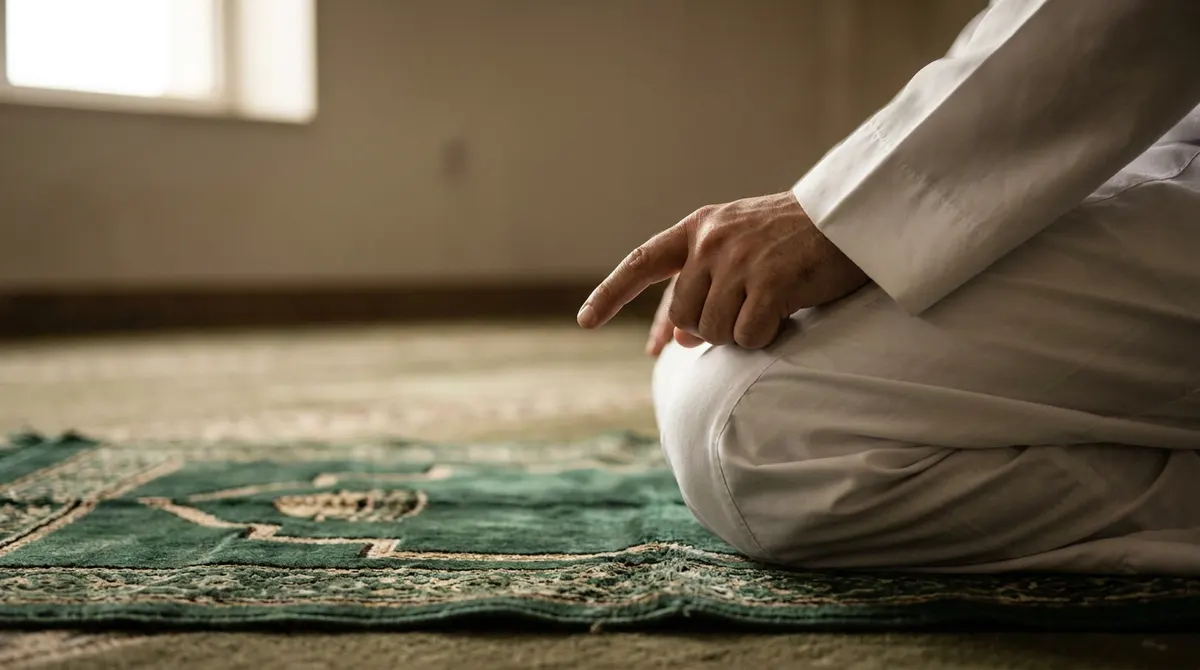
2\. Salah: The Five Daily Prayers
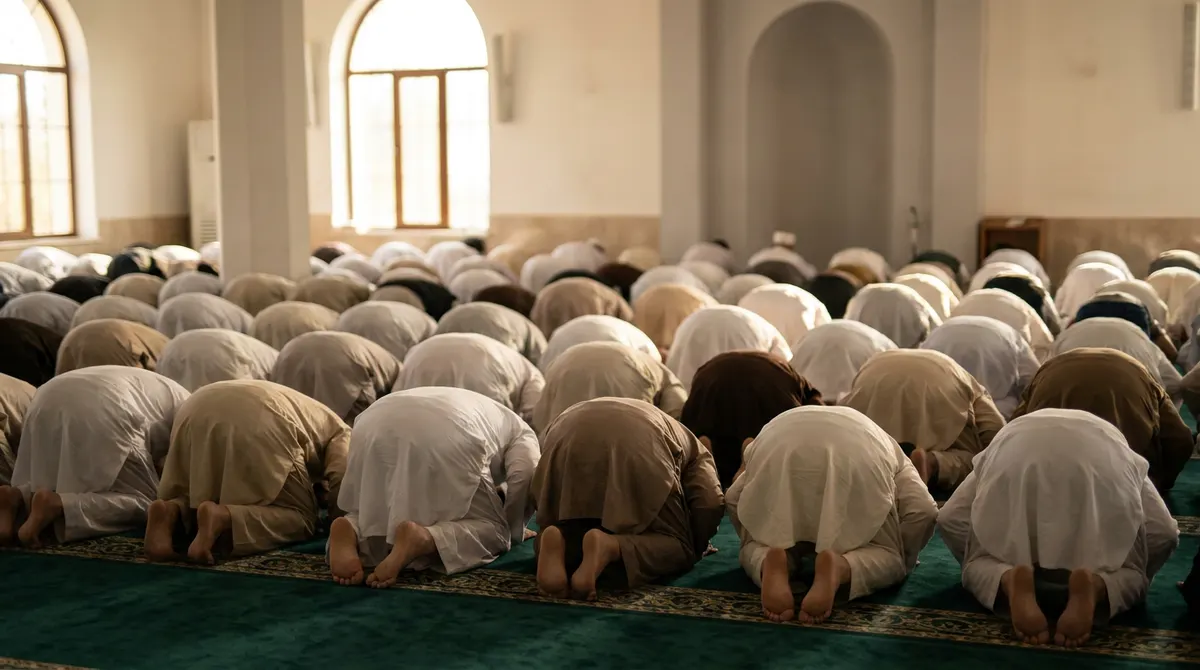
Salah is the second pillar of Islam and one of the most important daily responsibilities of a Muslim. It is an act of worship performed five times a day at prescribed times, allowing Muslims to remember Allah and maintain a regular connection with Him.
The five obligatory prayers are:
- Fajr: Performed before sunrise.
- Dhuhr: Performed after midday.
- Asr: Performed in the afternoon.
- Maghrib: Performed just after sunset.
- Isha: Performed at night.
Each prayer includes recitation from the Quran, standing, bowing, and prostration. These acts reflect humility, obedience, and submission to Allah.
The importance of Salah
Salah provides structure and spiritual balance throughout the day. It encourages Muslims to pause from their daily responsibilities and focus on their relationship with their Creator.
Regular prayer helps Muslims:
- Remember Allah throughout the day.
- Develop discipline and consistency.
- Seek guidance, forgiveness, and mercy.
- Strengthen patience and humility.
- Find peace through worship and remembrance.
The Quran also emphasizes the importance of prayer:
"Indeed, prayer prohibits immorality and wrongdoing." (Quran 29:45)
3\. Zakat: The Obligation of Giving
Zakat is the third pillar of Islam. It is an obligatory form of charity through which eligible Muslims distribute a portion of their qualifying wealth to people who are entitled to receive it.
Zakat is generally due when a Muslim's qualifying wealth reaches the required minimum threshold, known as Nisab, and meets the relevant conditions. For qualifying monetary wealth, the commonly applicable rate is 2.5%, subject to the applicable Zakat calculation rules.
Unlike voluntary charity, Zakat is a religious obligation. It reminds Muslims that wealth is a responsibility and that people facing financial hardship have rights that must be respected.
Who can receive Zakat?
The Quran identifies eight categories of eligible Zakat recipients in Surah At-Tawbah (9:60):
- The poor.
- The needy.
- Those appointed to collect Zakat.
- People whose hearts are to be reconciled.
- Those seeking freedom from bondage.
- People burdened by qualifying debts.
- Those working in the cause of Allah.
- Travellers in need of assistance.
The wider purpose of Zakat
Zakat plays an important role in building a caring and responsible Muslim community. It encourages Muslims to look beyond their own needs and recognise the difficulties faced by others.
Its wider benefits include:
- Supporting people experiencing poverty.
- Helping eligible individuals meet essential needs.
- Encouraging generosity and compassion.
- Reducing the gap between wealthy and disadvantaged members of society.
- Teaching Muslims gratitude and responsibility.
Zakat demonstrates that Islam places importance not only on individual worship but also on the well-being of the wider community.

4\. Sawm: Fasting During Ramadan
Sawm, or fasting, is the fourth pillar of Islam. Muslims are required to fast during the holy month of Ramadan, the ninth month of the Islamic lunar calendar.
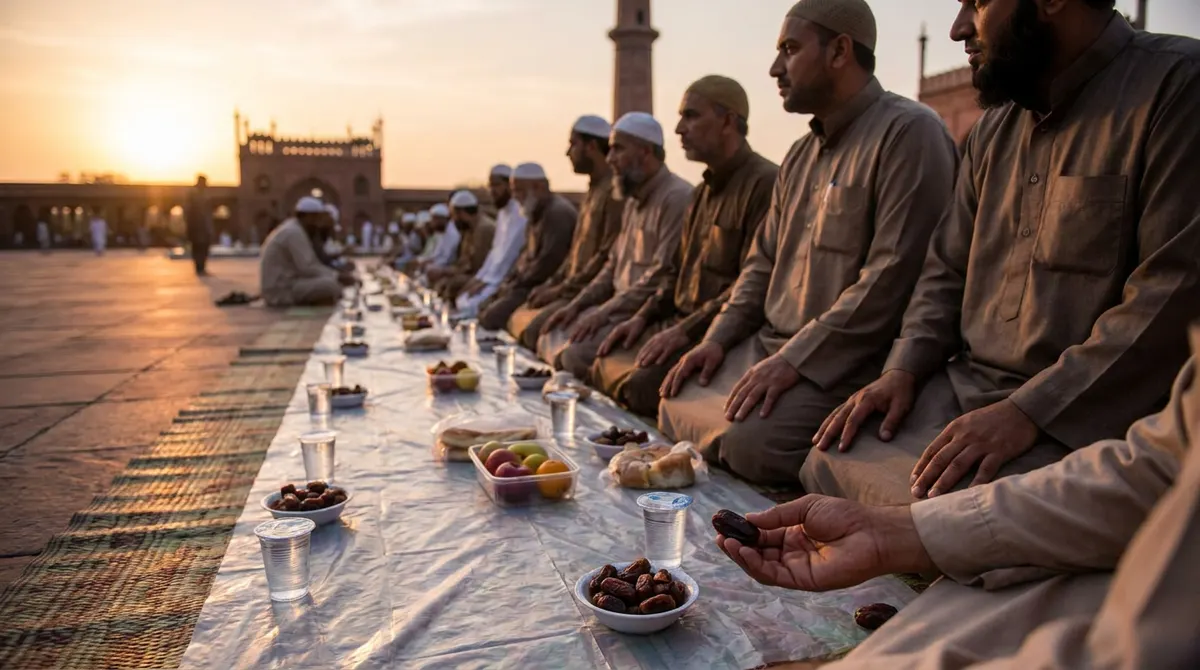
Fasting begins at dawn and continues until sunset. During this period, Muslims abstain from food, drink, and marital relations while maintaining good conduct and avoiding sinful behaviour.
However, the purpose of fasting extends beyond physical restraint. It is an opportunity to strengthen faith, develop self-control, and become more conscious of Allah.
Important practices during Ramadan
- Suhoor: The meal eaten before dawn, before the fast begins.
- Iftar: The meal at sunset when Muslims break their fast.
- Taraweeh: Special voluntary prayers performed during Ramadan.
- Quran recitation: An opportunity to increase engagement with the Quran.
- Charity: Giving to people in need and supporting charitable causes.
What does fasting teach Muslims?
Fasting encourages qualities that extend beyond Ramadan:
- Patience: Learning to control desires and remain calm in difficult situations.
- Gratitude: Appreciating the blessings of food, water, health, and family.
- Compassion: Understanding the struggles of people who experience hunger and poverty.
- Self-discipline: Avoiding harmful habits and controlling one's actions.
- Spiritual growth: Increasing worship, seeking forgiveness, and strengthening faith.
Islam provides exemptions from fasting in certain circumstances, including illness and travel. Depending on the circumstances, missed fasts may need to be made up later or compensated for through Fidyah.
5\. Hajj: The Pilgrimage to Makkah
Hajj is the fifth pillar of Islam and a major act of worship that brings Muslims from around the world to Makkah, Saudi Arabia.
Every adult Muslim who is physically and financially capable is required to perform Hajj at least once in their lifetime.
Hajj takes place during specific days of Dhul Hijjah, the final month of the Islamic calendar. It involves a series of rituals that reflect the devotion, sacrifice, and obedience of Prophet Ibrahim (AS), his family, and the teachings of Islam.
The main rituals of Hajj include:
- Ihram: Entering the sacred state of pilgrimage and observing its specific restrictions.
- Tawaf: Circling the Kaaba seven times.
- Sa'i: Walking seven times between the hills of Safa and Marwah.
- Day of Arafah: Standing at Arafat in prayer and supplication, one of the most important parts of Hajj.
- Muzdalifah: Spending part of the night there and collecting pebbles for the stoning ritual.
- Ramy al-Jamarat: Stoning the designated pillars in Mina.
The spiritual significance of Hajj
Hajj is not simply a journey to a sacred place. It is an opportunity for reflection, repentance, and spiritual renewal.
It reminds Muslims of:
- Equality, as pilgrims gather regardless of nationality, wealth, or social status.
- Humility and submission before Allah.
- Patience and sacrifice during the pilgrimage.
- The importance of forgiveness and repentance.
- The unity of Muslims around the world.
For many Muslims, Hajj is one of the most meaningful experiences of their lives and a journey that leaves a lasting impact on their faith.
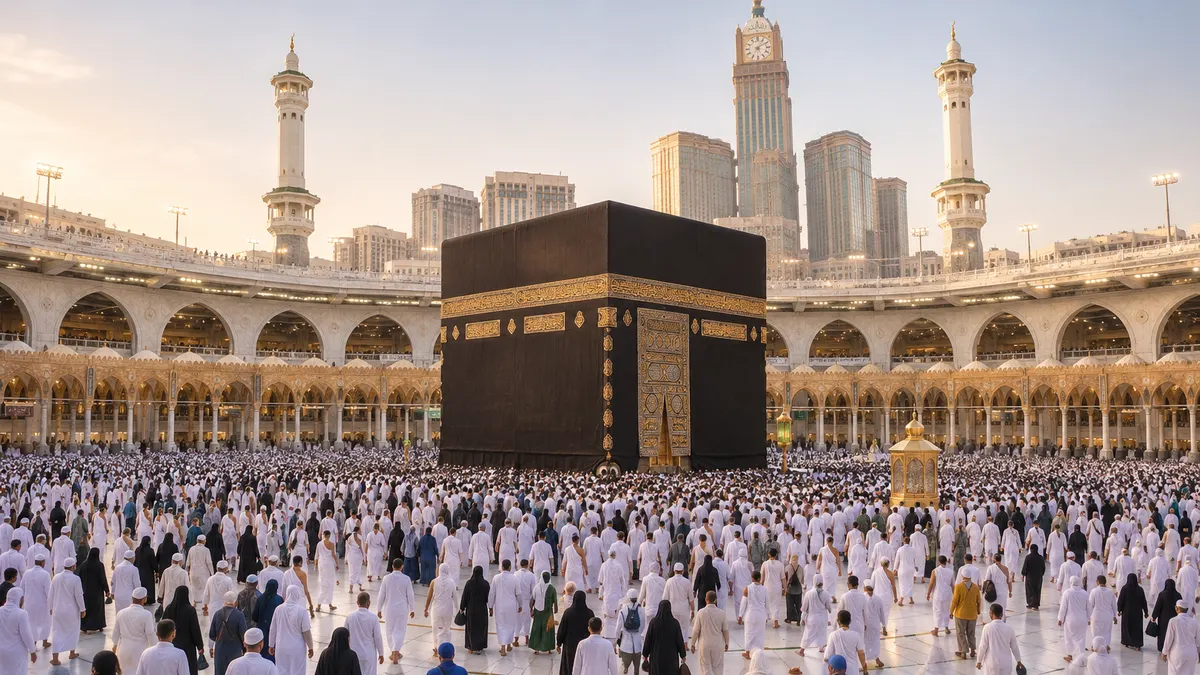
How the Five Pillars Shape a Muslim's Life
Each pillar serves a distinct purpose, but together they provide a balanced foundation for Islamic life.
| Pillar | Its central purpose |
|---|---|
| Shahada | Establishing faith in Allah |
| Salah | Maintaining a connection with Allah through prayer |
| Zakat | Supporting those in need |
| Sawm | Developing patience and self-discipline |
| Hajj | Demonstrating devotion, sacrifice, and unity |
These practices connect belief with action. They encourage Muslims to worship Allah sincerely, treat others with compassion, and fulfil their responsibilities in everyday life.
Conclusion
The Five Pillars of Islam form the foundation of Muslim faith and practice. Each pillar carries a distinct responsibility, from declaring belief in Allah and establishing daily prayers to giving Zakat, fasting during Ramadan, and performing Hajj.
Together, they teach Muslims the importance of faith, discipline, generosity, patience, and devotion. Understanding their meaning helps Muslims appreciate not only what they are required to do but also the wisdom and purpose behind these acts of worship.
By practising these pillars with sincerity and understanding, Muslims can strengthen their relationship with Allah and bring the teachings of Islam into every aspect of their lives.